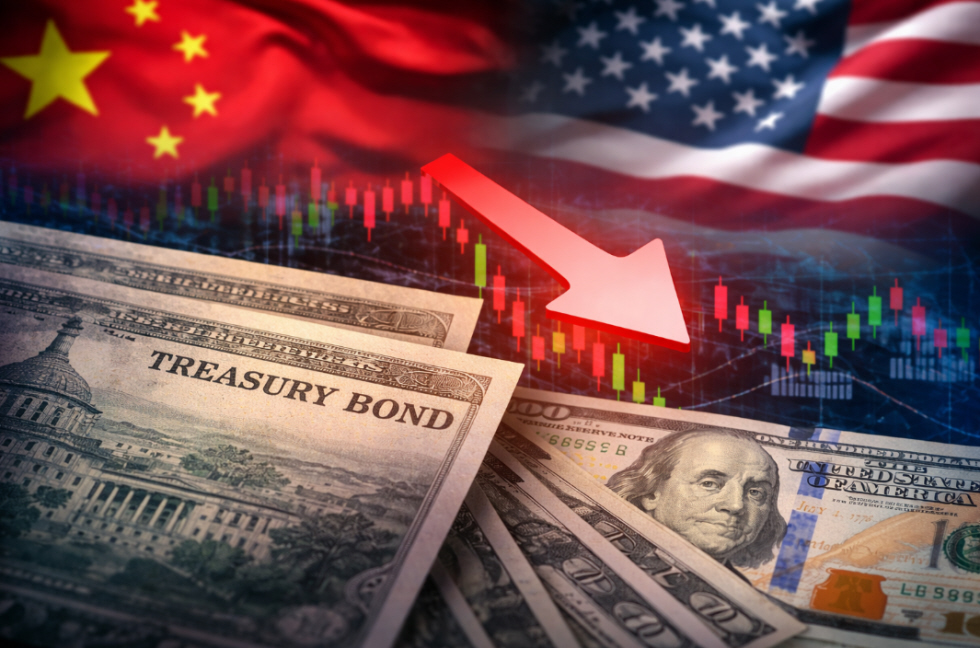
The decision is expected to reignite debate around the so-called “sell America” trade and the long-term appeal of the US dollar. Chinese authorities have pointed to rising concentration risk and increased volatility in US debt markets as key reasons behind the move. Regulators have reportedly encouraged Chinese banks to curb new purchases of US Treasuries, while institutions with heavy exposure have been advised to gradually scale back their positions.
The guidance reflects growing caution rather than a sudden break, but the signal has not gone unnoticed by global investors. Market reaction was swift. US Treasury yields edged higher, reflecting lower demand for government bonds, while the dollar weakened more sharply. The Dollar Index fell nearly 1 percent, extending a slide that has already pushed the greenback to its lowest levels in four years. The latest decline underscores broader concerns about the sustainability of US borrowing at a time of elevated deficits and tighter global financial conditions.
For many investors, the question is no longer short-term rate movements, but the long-term confidence in US fiscal discipline. Although Chinese regulators have framed the move strictly around financial stability rather than geopolitics, markets are interpreting it as part of a wider reassessment of exposure to US assets. The distinction matters little to traders reacting to capital flows and currency shifts.
This development adds fresh fuel to discussions about whether foreign governments and institutions are becoming less willing to finance US debt at current levels. Even a gradual reduction by major holders can have outsized effects on pricing and sentiment. For now, the shift does not signal an abrupt retreat from US Treasuries, which remain among the world’s most liquid and trusted assets. However, it does highlight a slow but notable change in risk perception.
As global investors digest the implications, attention will turn to whether other countries follow a similar path, and how US policymakers respond to growing scrutiny over debt levels and currency stability.