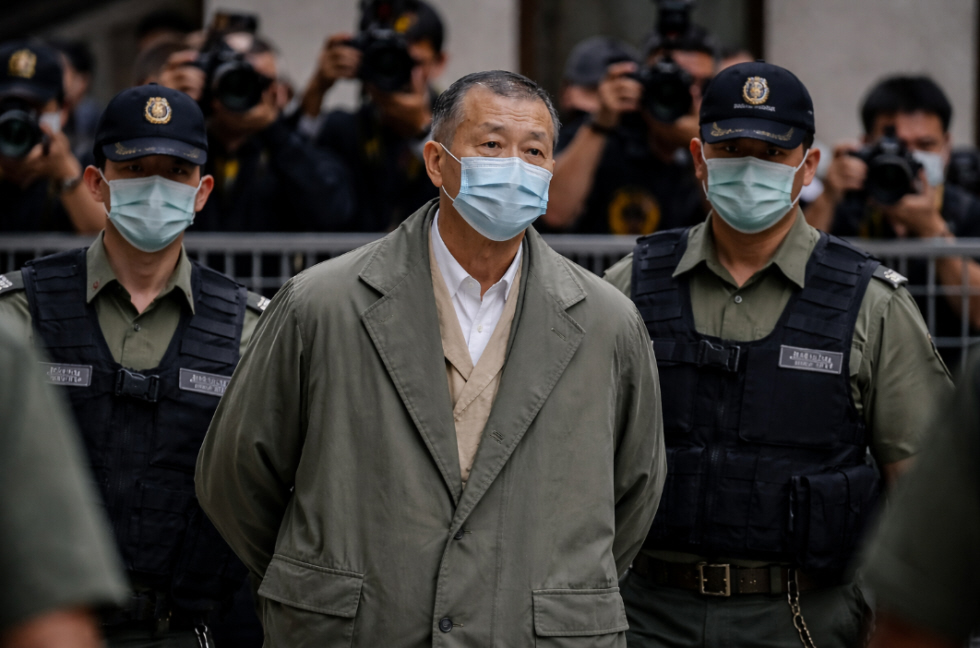
Media tycoon and pro-democracy activist Jimmy Lai has been sentenced to 20 years in prison by a Hong Kong court, a ruling that has sparked strong international reaction and renewed debate over civil liberties in the city. Lai, 78, was found guilty of conspiracy to collaborate with foreign forces and of publishing material deemed seditious under current legislation. The charges stem from a series of cases brought against him over recent years.
Throughout the proceedings, Lai consistently denied the accusations, maintaining that his actions fell within the bounds of free expression and independent journalism. Human rights advocates and press freedom groups have sharply criticized the sentence, arguing that, given Lai’s age, the punishment effectively amounts to life imprisonment. The trial has drawn intense global attention, becoming one of the most closely watched legal cases in Hong Kong since the introduction of the national security law in 2020.
Family members and supporters attended the sentencing, including prominent religious and civic figures, underscoring the symbolic weight the case carries beyond the courtroom. Jimmy Lai is the founder of the pro-democracy newspaper Apple Daily, which was forced to shut down in 2021 following investigations under the national security framework, a moment widely seen as transformative for Hong Kong’s media landscape.
In addition to his ties to Hong Kong, Lai holds a British passport, a factor that has contributed to international scrutiny and diplomatic concern surrounding his legal situation. The national security law grants authorities broad powers to prosecute acts classified as subversive, separatist, or conspiratorial, and has been used extensively against opposition figures and independent media outlets.
Lai’s conviction has become a defining symbol of the tightening political and judicial environment in Hong Kong, raising long-term questions about the future of press freedom and political rights in the region.