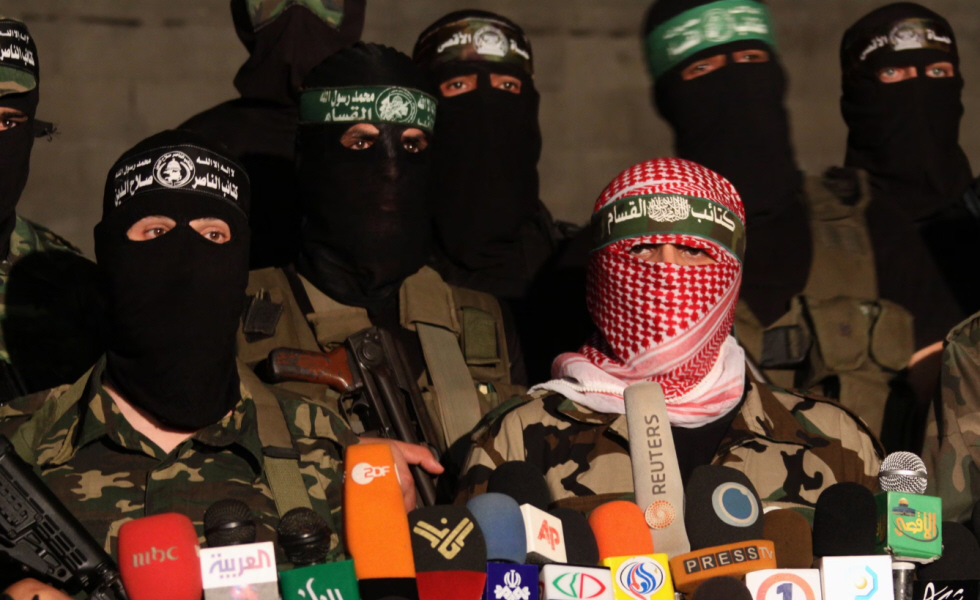
The conflict in the Gaza Strip took a new turn with the alleged killing of Abu Obaida, the spokesman for the armed wing of the radical Islamist organization Hamas. According to Israel’s Defense Minister Israel Katz, Obaida was killed during a joint operation carried out last Friday by the Israeli army and the national intelligence service Shin Bet. Prime Minister Benjamin Netanyahu had previously stated that the spokesman had been targeted in the attack.
However, Hamas has not issued any official confirmation of his death. Sources close to Hamas rejected the reports, dismissing them as psychological warfare carried out by Israel. The organization urged the public not to spread these rumors, arguing that they are intended to weaken internal morale. At the same time, the Hamas-controlled civil defense reported that at least seven people were killed on Saturday in an Israeli airstrike on the western side of Gaza City.
The attack struck a residential building in the Rimal neighborhood, once considered one of the wealthiest areas of the city before the war. Abu Obaida was one of Hamas’s most recognizable figures, though he always appeared masked during public appearances. His video statements and speeches made him a symbolic voice of the organization. Since the beginning of the Gaza war nearly two years ago, Israel has carried out systematic operations to eliminate key Hamas leaders.
Confirmed casualties include Yahya al-Sinwar, Ismail Haniyeh, and Mohammed Deif, three of the organization’s top commanders. If Abu Obaida’s death is confirmed, it would mark another strategic blow to Hamas’s military leadership. Yet it also reflects the ongoing fog of war, where propaganda and conflicting narratives dominate.
Israel insists that its operations are aimed at weakening the operational capacity of armed groups in Gaza, while Hamas accuses Israel of using psychological tactics to spread fear and mistrust among the Palestinian population. The uncertainty over the fate of the spokesman adds another layer of tension to a region already devastated by war, with thousands of casualties and widespread destruction impacting both combatants and civilians alike.