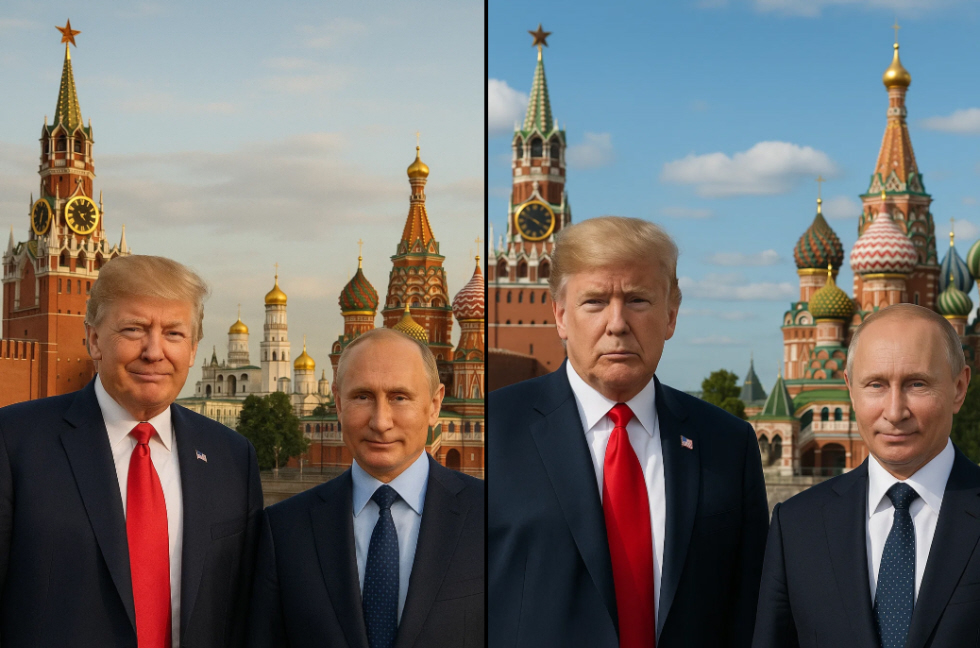
U.S. President Donald Trump stated on Sunday that he is prepared to impose new sanctions against Russia in the context of the war in Ukraine. “Yes, I am,” he replied briefly when asked by a reporter whether his administration planned to increase economic pressure on Moscow. Although he did not provide further details at the time, his remarks were backed by Treasury Secretary Scott Bessent, who argued that a coordinated tightening of sanctions and secondary tariffs with the European Union could be decisive in forcing Russian President Vladimir Putin to sit at the negotiating table.
According to Bessent, the key lies in directly targeting Russia’s energy revenues: “If the United States and the European Union step in and impose more sanctions and secondary tariffs on countries that buy Russian oil, the Russian economy will collapse completely, and that will bring President Putin to negotiate.” The White House made it clear that it is ready to escalate pressure to the maximum. “If the United States and the EU do this together, we enter a race: how long can the Ukrainian army hold on, and how long can the Russian economy resist?” a senior official said on condition of anonymity. So far, the Trump administration has increased tariffs on certain imports from India, a country that has ramped up its purchases of Russian oil amid the conflict.
Meanwhile, European Commission President Ursula von der Leyen and European Council President António Costa confirmed that the 19th package of EU sanctions against Russia is in preparation and will be formally presented in the coming days. This package, which must be approved by member state governments, includes a range of measures: from tariff increases to additional bans on Russian imports. Moreover, a strong focus is expected on dismantling the so-called “Russian shadow fleet” of ships used to evade energy sanctions, as well as on new restrictions on Moscow’s financial sector, including stricter controls to prevent transactions from increasingly being conducted through cryptocurrencies.
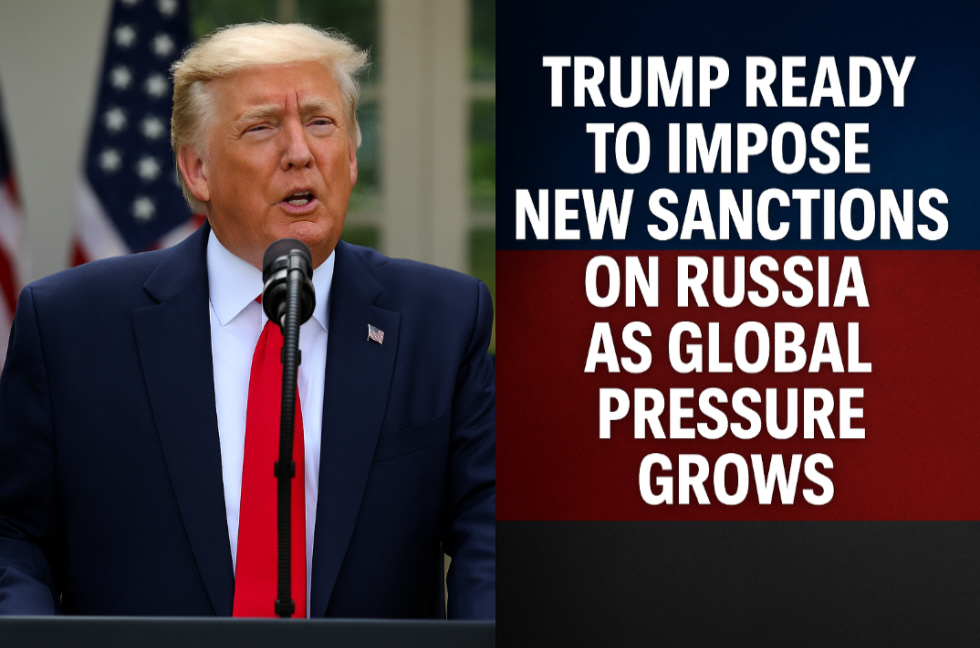
The escalation on the economic front comes at a sensitive time on the battlefield. On Sunday night, the Russian military launched a massive airstrike on Kyiv, hitting even government facilities in the heart of the Ukrainian capital. The attack, one of the most intense in recent weeks, was seen as a show of force by the Kremlin in response to mounting sanctions and the ongoing international debate over the future of the war. Analysts agree that coordinated pressure between Washington and Brussels could become a decisive factor in the course of the conflict.
While Ukraine desperately seeks more military and financial support, the Western strategy appears increasingly focused on an all-out economic squeeze that limits Russia’s ability to sustain its war machine. In this context, Trump’s words confirm that the war is entering a phase of heightened diplomatic, economic, and military escalation, with an uncertain outcome still looming.