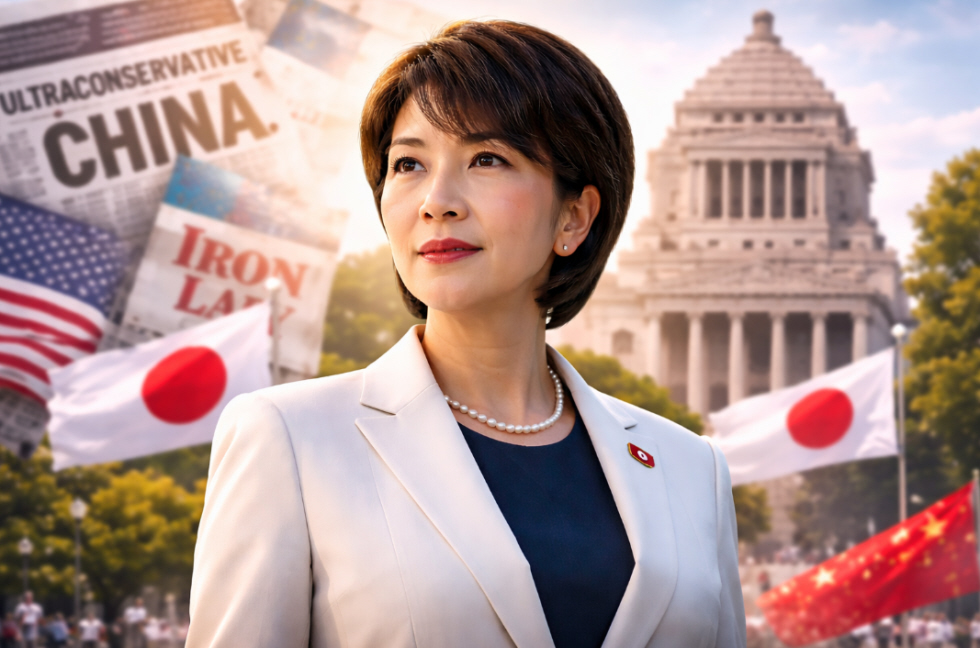
Japanese politics is not isolated from the global wave of disinformation and oversimplified narratives that increasingly shape international discourse. The aftermath of Sunday’s snap election offered a clear example of how complex political realities can be quickly reduced to blunt labels. Following a decisive landslide victory, Prime Minister Sanae Takaichi emerged with a strong democratic mandate. Yet almost immediately, parts of the international commentary framed her as an “ultra-conservative” and a leader bent on provoking China, terms that resonated loudly outside Japan but carried far less clarity within it.
Such characterizations reflect a growing tendency to interpret non-Western political systems through familiar ideological shortcuts. In Japan’s case, these labels often overlook the country’s distinct political culture, institutional constraints, and consensus-driven governance. Takaichi’s rise does not signal a radical departure from Japan’s postwar political framework. While she is known for firm positions on national security and economic resilience, her platform largely reflects continuity rather than rupture within Japan’s long-standing conservative tradition.
The “Iron Lady” comparison, frequently invoked by foreign commentators, also obscures important nuances. Leadership strength in Japan is typically exercised through negotiation and internal party alignment, not unilateral decision-making or confrontational rhetoric. Claims that Takaichi represents a deliberately China-provoking agenda similarly demand closer scrutiny. Japan’s relationship with China has long been shaped by economic interdependence, regional security concerns, and careful diplomatic balancing, regardless of which leader holds office.
While Tokyo has grown more vocal about regional security and strategic autonomy, these positions are widely shared across Japan’s political spectrum. Framing them as personal ideology rather than national policy risks misleading international audiences. The speed with which simplified narratives spread following the election highlights the power of misinformation by omission. When context is removed, even accurate facts can become distorted impressions.
This pattern reflects a broader challenge facing global political coverage: the pressure to produce immediate interpretations often comes at the expense of deeper understanding. Japan, despite its stability, is increasingly drawn into this cycle.
Ultimately, Takaichi’s election outcome speaks more to domestic confidence and political continuity than to ideological confrontation. As Japan navigates a complex regional and global environment, serious analysis will matter far more than imported labels or headline-friendly assumptions.