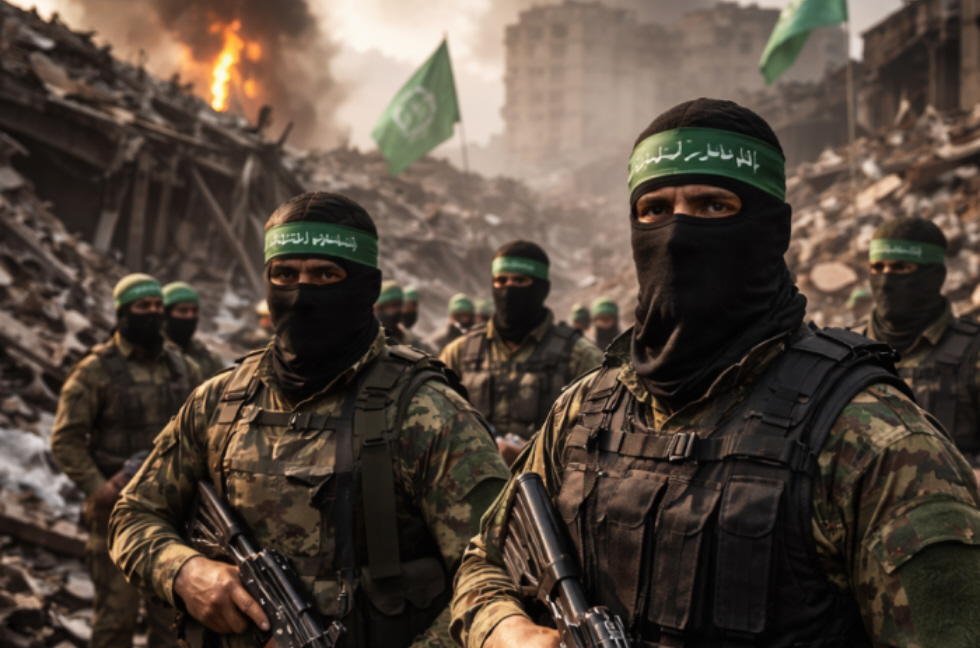
Hamas has officially confirmed the deaths of five senior leaders, marking one of the most significant blows to the organization’s leadership structure since the beginning of the Gaza war. The acknowledgment represents a critical moment in the conflict, as the individuals confirmed killed held key political and military roles within the group. Among those confirmed dead is Mohammed al-Sinwar, the brother of former Hamas leader Yahya al-Sinwar, who had risen to a senior position within the organization’s wartime command.
Following the deaths of several top commanders earlier in the conflict, al-Sinwar was widely regarded as one of the most influential figures overseeing Hamas’ military operations. According to a statement released by Hamas’ armed wing, the Izz ad-Din al-Qassam Brigades, Mohammed al-Sinwar was killed during Israeli military operations in the Gaza Strip. While the group did not specify the exact date of his death, it confirmed that he was killed earlier this year, formally acknowledging reports that had circulated for months.
The Israeli military had previously stated that al-Sinwar was killed in an airstrike targeting a Hamas command center located beneath the European Hospital in Khan Younis. Israeli officials have described such strikes as part of a broader effort to dismantle Hamas’ underground command and operational infrastructure. Hamas also confirmed the death of Abu Obeida, the longtime masked spokesman of the al-Qassam Brigades, who emerged as one of the most recognizable public figures of the group’s military wing during the war.
His role was central in delivering statements and messages throughout the conflict. The confirmation of these deaths underscores the scale of leadership losses Hamas has suffered during the ongoing war and raises questions about the group’s ability to reorganize its command structure under sustained military pressure. Meanwhile, the conflict in Gaza remains highly volatile, with political, military, and humanitarian implications continuing to unfold.