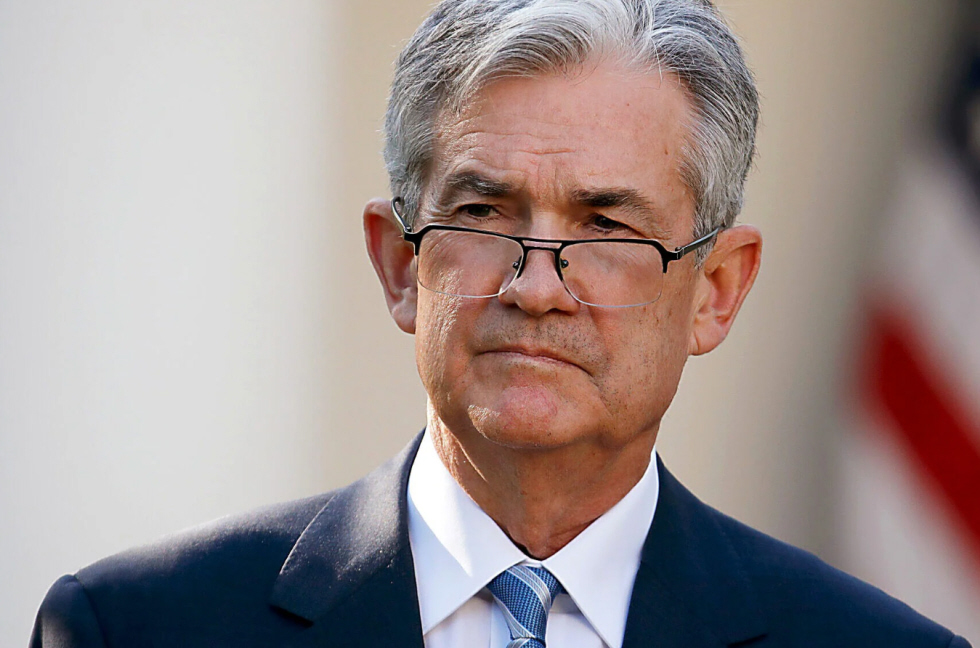
Tensions between the White House and the U.S. Federal Reserve have reached one of their most delicate points in years, amid a growing dispute over the independence of the central bank. At the center of the controversy is Federal Reserve Chair Jerome Powell, who has disclosed that criminal investigations have been initiated against him, raising concern across both Democratic and Republican circles.
Powell stated that the Department of Justice has issued subpoenas related to his testimony before the Senate Banking Committee last June, along with other administrative matters. However, the Fed chair argued that these actions are not based on substantive wrongdoing, but rather reflect mounting political pressure connected to the central bank’s monetary policy decisions.
According to Powell, the threat of criminal proceedings is not linked to his Senate testimony or to the controversial renovation of Federal Reserve buildings in Washington. Instead, he suggested that the investigations stem from the Fed’s insistence on setting interest rates independently, guided by economic conditions and public interest rather than presidential preferences.
President Donald Trump publicly distanced himself from the investigations, stating that he was unaware of any actions taken by the Department of Justice. At the same time, he reiterated long-standing criticism of Powell’s leadership, questioning both his performance at the Fed and the management of infrastructure projects—remarks consistent with the president’s previous public statements. The Department of Justice declined to comment directly on the case, but noted that the attorney general has instructed federal prosecutors to prioritize investigations involving potential misuse of taxpayer funds.
The renovation of two Federal Reserve buildings, estimated at a cost of $2.5 billion, has been a recurring source of tension, although Powell has defended the project as a necessary modernization of aging facilities. Powell’s current term as chair of the Federal Reserve is set to expire in May. However, he retains the option to remain on the Board of Governors until January 2028.
This possibility carries political significance, as it would limit the president’s ability to appoint additional members to the Fed in the near term. Some Republican lawmakers have expressed concern over the broader institutional implications of the investigations. Senator Thom Tillis, a member of the Senate Banking Committee, warned that the threatened charges could undermine the independence and credibility of both the Department of Justice and the Federal Reserve.
He announced his intention to block presidential nominees to the Fed until the matter is resolved. The situation underscores a broader and long-standing debate over the balance of power between the executive branch and the U.S. central bank. Beyond the figure of Jerome Powell, the episode raises fundamental questions about the role of political influence in monetary policy and the safeguards designed to preserve the Federal Reserve’s autonomy.