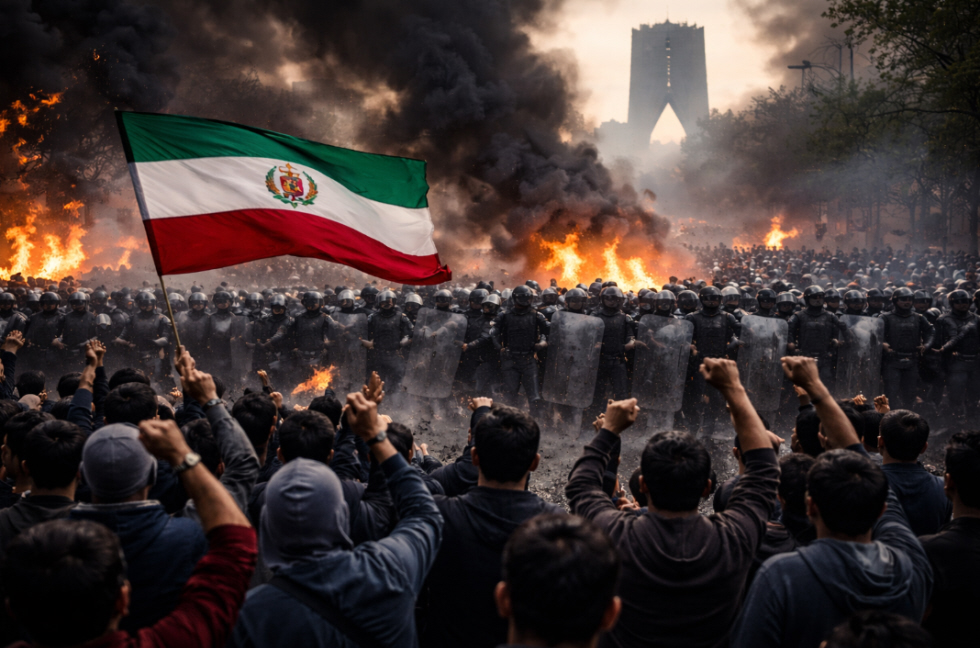
Anti-government protests in Iran have entered their third week amid rising tensions and increasingly grim reports about the human toll. A human rights organization based outside the country says the number of deaths has continued to climb as demonstrations persist across multiple regions and the authorities intensify their response. According to figures released by the Human Rights Activists News Agency (HRANA), at least 538 people are believed to have been killed since the protests began. Of that total, the group attributes 490 deaths to protesters and 48 to members of the security forces, underscoring the scale and intensity of the unrest.
The organization also reports that more than 10,670 people have been arrested nationwide. It cautions that the true number of detainees may be higher, as efforts to verify incidents and confirm individual cases remain ongoing under difficult conditions. Independent verification of these figures remains extremely challenging. A nationwide internet blackout lasting more than 60 hours has severely restricted the flow of information from inside Iran, limiting access to videos, eyewitness accounts, and real-time reporting from affected areas. Iranian authorities have not released official casualty or arrest figures related to the protests. In public statements, officials have largely blamed unrest on “rioters” and foreign interference, frequently accusing the United States and Israel of encouraging instability within the country.
The demonstrations initially erupted over economic pressure and rising inflation, but they have since taken on a broader political dimension. In many cities, protesters have openly challenged the country’s leadership, with reports of nightly gatherings, clashes, and acts of civil disobedience. As the internal crisis unfolds, tensions between Iran and the United States have also escalated. Statements from Washington expressing support for protesters and warning Iran’s leadership have been met with sharp reactions from Tehran, adding an international dimension to an already volatile situation. Iranian political figures have responded with warnings of retaliation should the United States take any direct or indirect action.
This exchange of threats has heightened uncertainty at a time when regional stability is already under significant strain. Inside Iran, official messaging continues to emphasize the need to maintain order and protect national security, framing stability as a non-negotiable priority. Human rights groups, however, describe a far harsher reality, marked by widespread arrests, heavy-handed policing, and the use of lethal force. As the days pass, the outcome of the crisis remains unclear. With no official data, restricted communications, and growing political confrontation, assessing the true scale of the unrest is difficult, but it is widely viewed as one of the most serious internal challenges Iran has faced in recent years.
🎧 Iran Protests Enter Third Week
A brief, sober update amid rising casualties and limited information.
“Restricted communications and rising tensions continue to obscure the true scale of the crisis.”