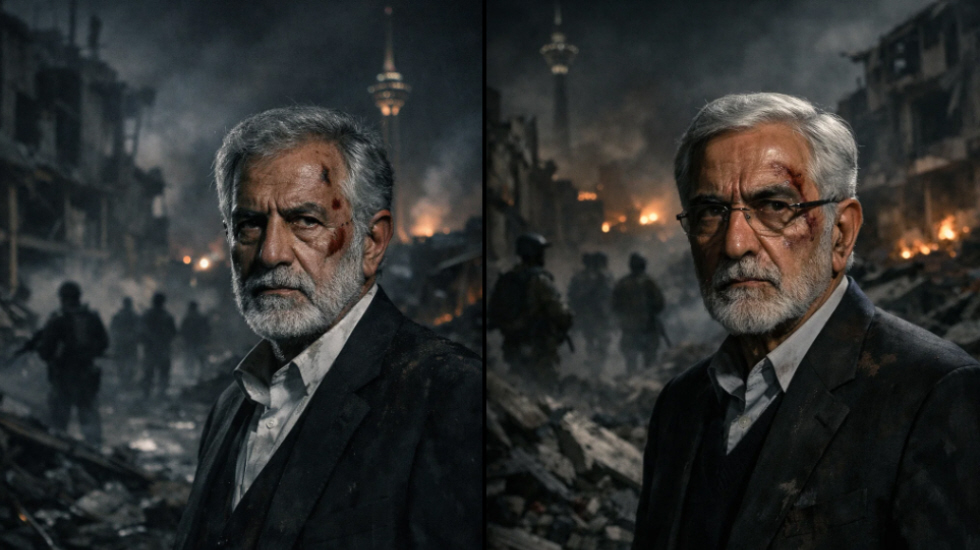
Former Iranian Foreign Minister Kamal Kharazi has been seriously wounded following an apparent assassination attempt amid escalating tensions in the Middle East. The attack, which also killed his wife, has triggered strong reactions in Iran. The incident comes as military pressure continues to intensify across the country. The situation reflects a growing level of instability after weeks of sustained conflict.
According to Iranian media reports, Kharazi’s residence in Tehran was targeted in an airstrike the previous day. The strike is believed to be part of a broader wave of attacks that have intensified in recent weeks. Local authorities confirmed that the impact caused significant destruction. Emergency teams were dispatched quickly to the scene following the explosion. The former official was rushed to a medical facility with severe injuries. Sources close to the case indicate that his condition remains critical but stable under specialized care.
The news has raised concern among political figures within the country. Kharazi is widely regarded as an influential figure in Iran’s diplomatic establishment. The death of his wife has added an emotional and political dimension to the incident. Local analysts interpret the attack as a direct message aimed at key figures within Iran’s leadership. Her death has been confirmed by multiple domestic media outlets. The event has sparked expressions of solidarity and condemnation across different sectors. The incident comes as strikes attributed to U.S. and Israeli forces continue to hit targets across Iran.
This offensive has now entered its fifth consecutive week, significantly raising regional tensions. The situation is being described as one of the most fragile in recent years. The consequences could extend far beyond the immediate conflict zone. So far, there has been no official international confirmation regarding direct responsibility for the attack on Kharazi. However, within Iran, it is widely perceived as part of a broader strategy of pressure. Officials have warned that a strong response will follow any aggression.
The government’s rhetoric remains firm amid the ongoing escalation. The international community is closely monitoring developments as the situation unfolds. Several governments have called for restraint to prevent further escalation. Multilateral organizations continue to stress the importance of returning to diplomatic channels. Global concern is centered on the risk of a wider confrontation.
Geopolitical experts warn that targeted attacks against political figures could mark a dangerous turning point. Such actions often escalate conflicts rather than contain them. The likelihood of retaliation increases significantly under these conditions. Regional stability appears increasingly fragile as tensions rise. In Tehran, the attack has led to heightened security measures around high-ranking officials and key infrastructure. Military presence has increased across various parts of the city.
Authorities are working to prevent further incidents of this nature. Residents remain on alert as the situation continues to evolve. The case of Kamal Kharazi adds to a series of events highlighting the growing complexity of the regional conflict. As the weeks pass, prospects for a diplomatic resolution appear increasingly distant. Violence continues to shape the course of developments. The world remains focused on every new turn in this escalating crisis.