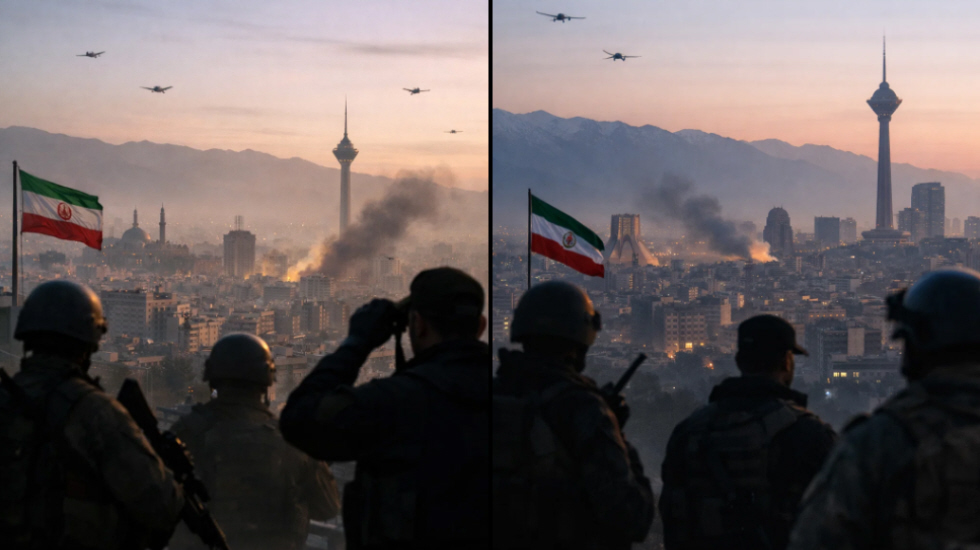
Iran is reportedly increasing the recruitment of minors into roles linked to the Islamic Revolutionary Guard Corps, according to new findings by human rights organizations. Reports from Human Rights Watch and Amnesty International highlight cases involving children as young as twelve. The allegations raise serious concerns about the conduct of Iran’s internal mobilization efforts. The issue is rapidly gaining international attention.
The reports suggest that these minors are being drawn into military-linked structures, including auxiliary and paramilitary roles. While not always placed directly on front lines, their involvement exposes them to significant risk. The use of underage individuals in such capacities is widely condemned under international law. It also intensifies scrutiny over Iran’s wartime practices.
Analysts argue that the trend reflects mounting pressure within Iran’s broader military strategy. As tensions escalate with the United States and Israel, sustaining operational capacity has become increasingly complex. The reliance on paramilitary networks appears to be expanding. This environment may be contributing to controversial recruitment methods. The growing strain on resources and manpower is a critical factor behind these developments.
Prolonged instability and external pressure have placed significant demands on Iran’s internal systems. Recruiting younger individuals may indicate shortages within traditional military ranks. It also signals a shift toward unconventional approaches to sustain national defense. Human rights organizations emphasize the long-term consequences of involving minors in military structures.
Beyond immediate physical risks, psychological and social impacts can be severe and lasting. International conventions strictly prohibit the recruitment of children into armed forces. Violations could carry legal and diplomatic repercussions. The allegations also raise the possibility of future accountability under international law. If confirmed, such practices could be classified as violations of humanitarian standards or even war crimes.
This would further isolate Iran on the global stage. Diplomatic pressure could intensify as more evidence emerges. From a geopolitical perspective, the reports add another layer of complexity to an already volatile situation. The conflict dynamics involving Iran, the United States, and Israel continue to evolve rapidly. Human rights concerns are increasingly intersecting with military and strategic calculations.
This convergence is shaping global reactions. Ultimately, the reported recruitment of minors highlights the deepening human cost of the conflict. Whether these claims are further substantiated or challenged, they underscore the intensity of current pressures facing Iran. The situation is likely to remain under close international scrutiny. And its implications could extend far beyond the battlefield.