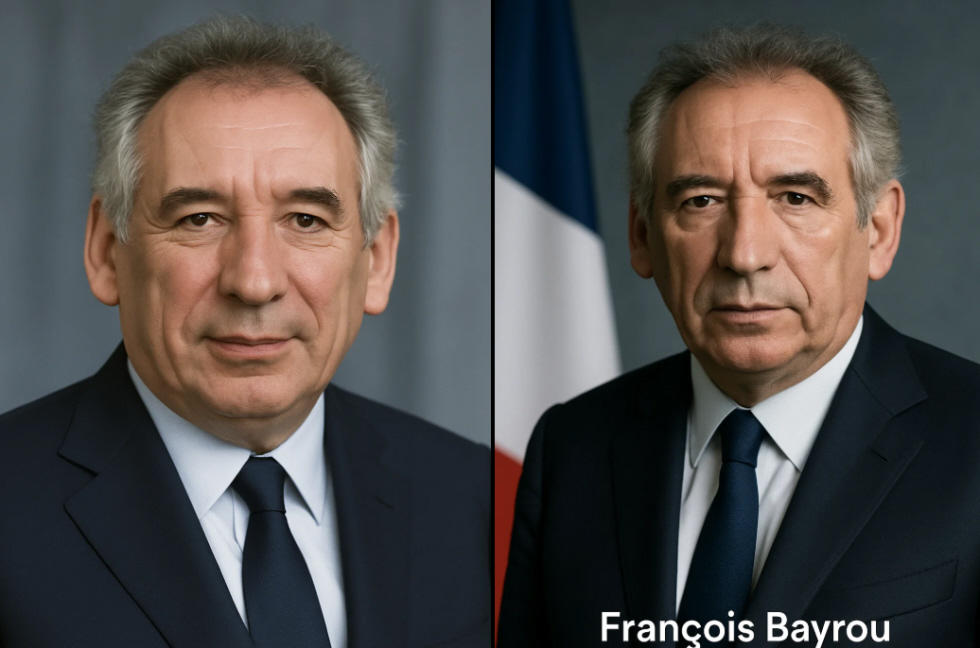
France’s political crisis reached a new peak following the dismissal of Prime Minister François Bayrou, who lost a confidence vote with a clear majority in the National Assembly. A total of 364 deputies voted against him, compared to only 194 in his favor, sealing the end of a mandate that lasted barely nine months and was marked by controversy and fragility.
Bayrou, aware of the outcome, announced that on Tuesday he would formally submit the resignation of his government to President Emmanuel Macron, opening a new chapter of uncertainty in France’s political landscape. The confidence vote, initiated by Bayrou himself, revolved around a budget austerity plan that included €44 billion in cuts. These measures were harshly criticized by the opposition, who accused the prime minister of placing the burden of the fiscal crisis on the most vulnerable sectors.
Added to this dispute was a scandal involving alleged cover-up of abuse at a Catholic school with which Bayrou had close ties, further undermining his credibility. The outcome was widely expected but has left Macron in a delicate position. The French president now faces two options: appoint a new prime minister capable of securing parliamentary confidence or call new legislative elections, an option he has so far avoided.
Both paths carry major risks: another change at the head of government could increase the perception of instability, while early elections might deliver an absolute majority either to Marine Le Pen’s far-right Rassemblement National or to the left-wing alliance, drastically altering the country’s balance of power. Although the Constitution allows Macron to appoint anyone as prime minister regardless of political affiliation, in practice the candidate must secure enough support in the National Assembly to govern effectively. Among the names being discussed are Justice Minister Gérald Darmanin, Finance Minister Eric Lombard, Defense Minister Sébastien Lecornu, and Labor Minister Catherine Vautrin.
From the Socialist ranks, Olivier Faure even offered himself as an option, although his appointment is considered unlikely. Until a new prime minister is named, Bayrou’s cabinet will remain in office in a caretaker capacity, with limited power to approve new laws or launch major initiatives. This prolongs the legislative paralysis France has faced for more than a year, since Macron dissolved parliament following his party’s poor performance in the 2024 European elections.
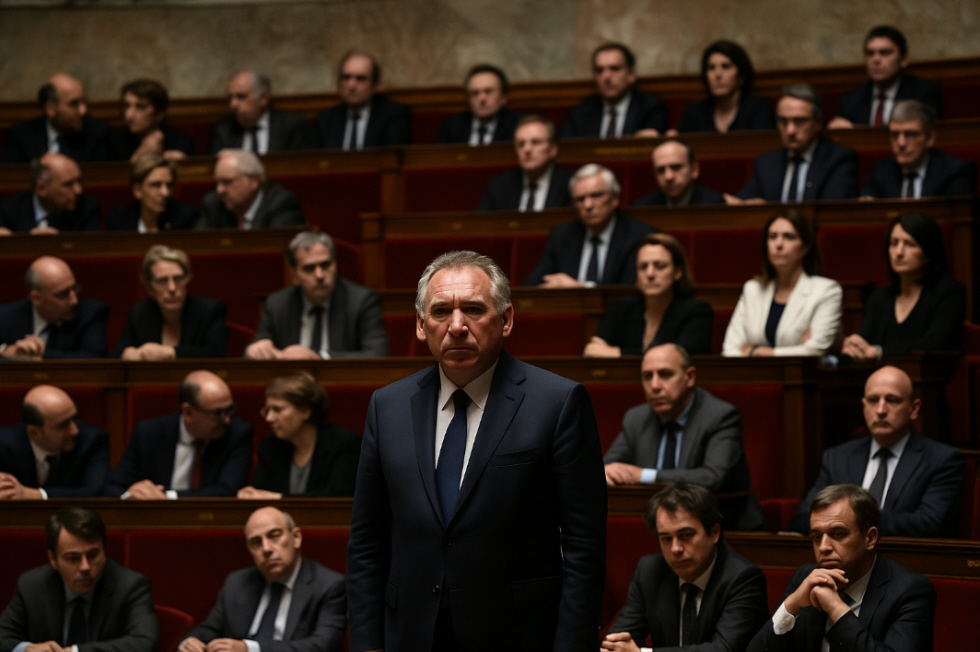
Although that move temporarily weakened the National Rally, the result was an extremely fragmented parliament with no clear majorities, making governance extremely difficult. Bayrou’s fall adds to a series of prime ministerial changes that have further eroded the government’s image. Since the elections, France has seen Gabriel Attal replaced by Michel Barnier, whose government collapsed months later due to budget disputes, followed by Bayrou, who now becomes the third prime minister to fail in less than a year. Analysts agree that this instability is undermining trust in France’s democratic institutions and weakening Macron’s ability to govern until the end of his mandate in 2027. Meanwhile, the opposition is ramping up pressure:
Marine Le Pen and her party have openly demanded Macron’s resignation, while the left-wing La France Insoumise is even calling for impeachment proceedings, though with little chance of success. In any case, the French political scene is heading toward decisive weeks in which the president will have to maneuver with great caution to prevent the crisis from becoming a point of no return for his government and for the country’s stability.