The United States government announced the imposition of entry bans against several individuals accused of promoting censorship of U.S.-based digital platforms from abroad. In its statement, the State Department did not specify the identities or nationalities of those affected, but said the measures target coordinated efforts aimed at pressuring American technology companies to suppress certain viewpoints.
According to the official announcement, the restrictions are directed at what Washington describes as “radical activists” and non-governmental organizations that have been “instrumentalized” by foreign governments. These actors are accused of systematically attempting to force U.S. platforms to adopt censorship measures that limit opinions and content deemed politically inconvenient by external authorities.
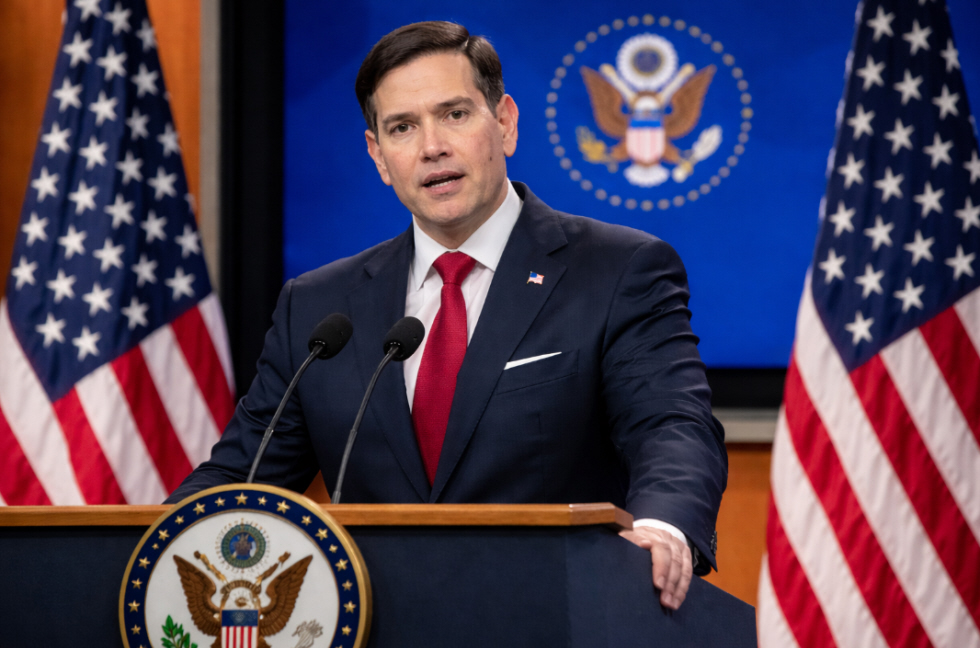
Secretary of State Marco Rubio reinforced the administration’s position with public remarks pointing directly at Europe. He argued that for years, European ideologues have led organized campaigns to compel American platforms to penalize U.S. viewpoints they oppose. Rubio stressed that the current administration will no longer tolerate what it calls “extraterritorial censorship” and warned that the list of sanctioned individuals could expand if no policy changes occur.
Rubio framed the move as part of a broader effort to counter what he described as the global “censorship industry complex.” The State Department indicated it is prepared to widen travel bans and take further action against prominent figures it believes are driving censorship initiatives beyond U.S. borders, signaling a tougher stance on digital speech and platform autonomy.
The announcement comes amid rising tensions between the United States and the European Union over the regulation of major technology companies. Rubio recently criticized a decision by the European Commission to fine the platform X over transparency issues, calling it an attack on American technology firms and on U.S. free expression. While no direct link was confirmed between that case and the new entry bans, Washington’s message suggests a clear shift toward confronting foreign policies it views as infringing on American digital freedoms.