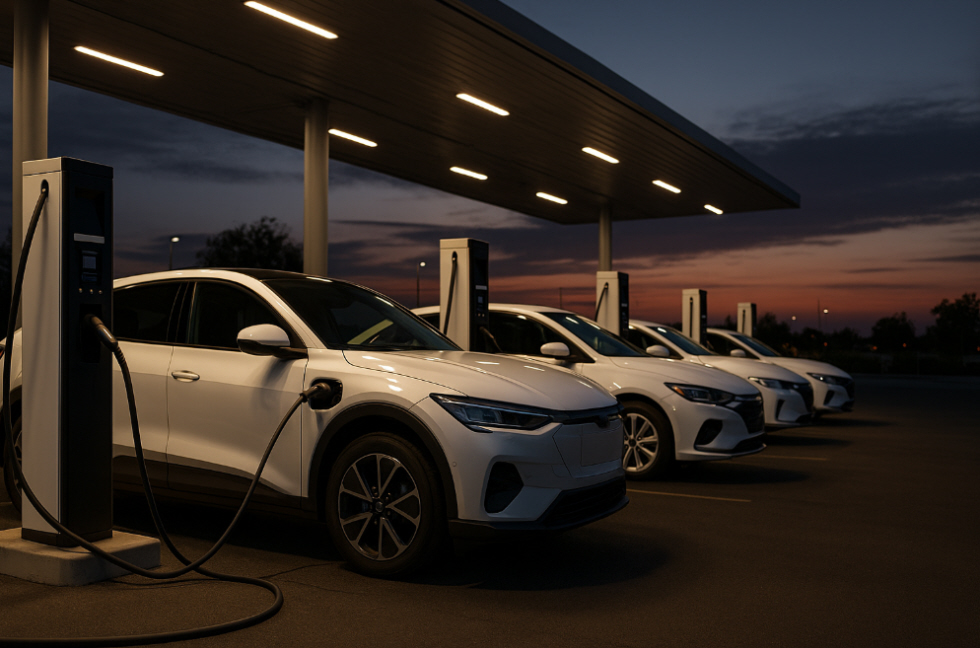
In September, global sales of battery electric and plug-in hybrid vehicles reached an all-time high, driven by China—where domestic manufacturers accelerated deliveries with price cuts and LFP batteries—and by monthly peaks in the U.S. and Europe supported by incentives, a wider model range, and denser charging networks; the push came mainly from mainstream segments such as compact SUVs and mid-range sedans, with an additional contribution from premium models in cities with strong infrastructure.
On the supply side, greater cell capacity in Asia, more stable lithium and nickel supply agreements, and combined discount-plus-financing strategies lowered total cost of ownership and improved dealership conversion; in parallel, corporate and delivery fleets sped up renewals due to ESG goals and tax benefits, and several countries brought forward emissions targets to 2026–2027, pushing legacy brands to prioritize plug-in variants.
Even so, challenges remain: margin pressure from the price war, bottlenecks at fast-charging points along intercity corridors, and signs of “adoption fatigue” in certain U.S. states; heading into the fourth quarter, the key will be sustaining delivery pace without eroding profitability, ensuring availability of entry-level models, and strengthening customer confidence with clear battery warranties, transparent financing, and better information on real-world winter range.