Alphabet, Google’s parent company, has reached an agreement to acquire infrastructure firm Intersect for $4.75 billion, a strategic move aimed at securing the energy and computing capacity required to sustain the rapid expansion of artificial intelligence. The deal highlights how energy has become as critical as chips themselves in today’s technology race. Under the terms of the agreement, Alphabet will gain control of several gigawatts of energy and data center projects that are currently under development or already under construction.
This capacity will allow the technology giant to accelerate the deployment of new infrastructure without relying solely on increasingly strained power grids, a growing challenge as large-scale data centers expand worldwide. The acquisition is closely tied to the growth of Google’s artificial intelligence services, particularly its Gemini platform, which competes directly with offerings from rivals such as Microsoft, Meta, Amazon, and Elon Musk’s X. Training and operating advanced AI models require massive amounts of electricity and computing power, pushing major tech companies to secure long-term, stable infrastructure solutions.
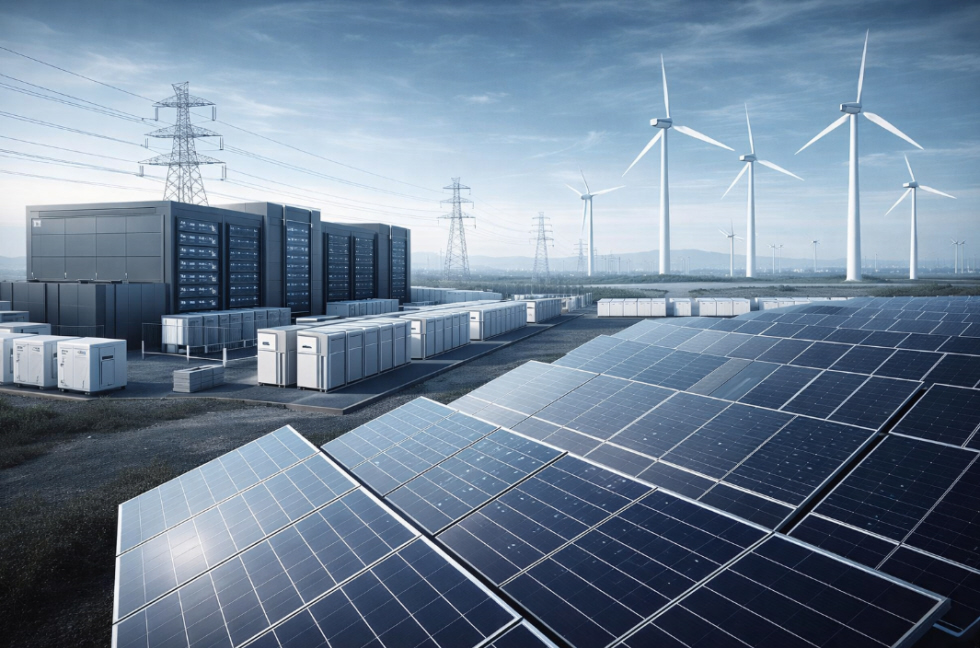
Intersect specializes in combining dedicated energy infrastructure, energy storage, and integrated data center projects, aligning with Alphabet’s strategy to build a more autonomous and efficient foundation for its AI operations. Some existing projects will continue to operate independently, while others will be integrated into Google’s technical infrastructure to speed up deployment. With this acquisition,
Alphabet makes it clear that the race for artificial intelligence is no longer fought solely through software and algorithms, but also through control of energy, infrastructure, and physical capacity. In an increasingly competitive landscape, securing these resources has become a decisive strategic advantage.