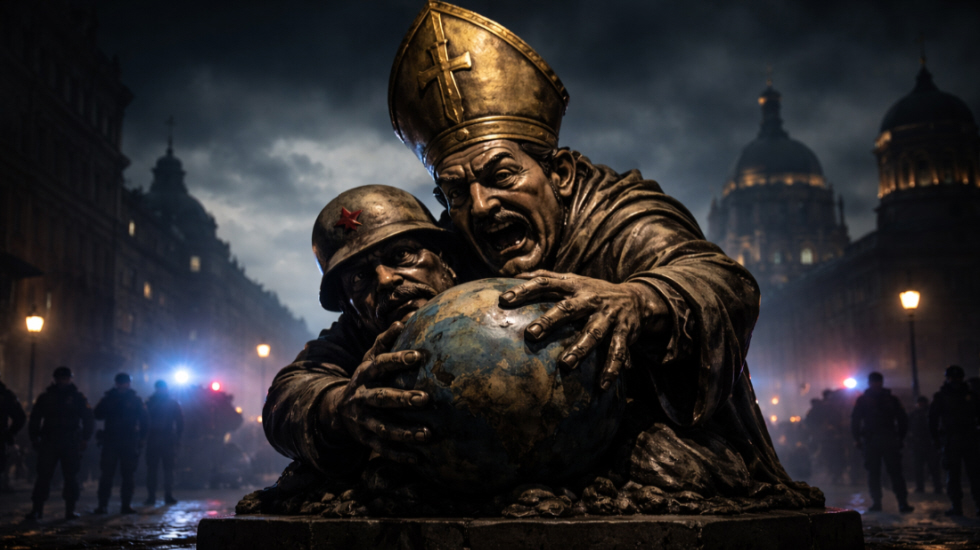
German sculptor Jacques Tilly has been sentenced in Moscow to eight and a half years in prison, in a case that has sparked international debate over the boundaries between art, politics, and freedom of expression. The court found him guilty of offending religious feelings and spreading what authorities described as false information about the Russian armed forces. The trial has drawn criticism from international observers, who view it as part of a broader trend of increasing restrictions on artists and creators.
In addition to the prison sentence, Tilly has been banned from practicing his profession for four years after serving his term. Jacques Tilly is widely known for his satirical sculptures and politically charged works, often addressing themes such as power, war, and religion. His provocative style has earned both recognition and controversy across different audiences.
Russian authorities argued that his work crossed legal boundaries, particularly in relation to protecting religious symbols and maintaining informational stability during times of conflict. Human rights organizations have challenged this justification. Cultural institutions and artistic communities have voiced concern over the implications of this case for creative freedom. They warn that such rulings may encourage self-censorship among artists fearing legal consequences. Tilly’s case adds to a series of recent legal actions in Russia involving public figures accused of spreading sensitive or non-official narratives.
This broader context suggests tighter control over public discourse. From Europe, several voices have called for a review of the case, questioning the proportionality of the sentence. There have also been appeals to safeguard the right of artists to express critical or uncomfortable ideas. Within the cultural sphere, the case raises a broader discussion about the limits of artistic expression in modern societies, particularly under politically tense conditions.
How far can art challenge authority without legal repercussions? The impact of this ruling may extend beyond Russia, influencing how artists worldwide approach sensitive topics. The relationship between art, power, and censorship is once again at the center of global debate. For now, Jacques Tilly’s future remains uncertain, as his case becomes a symbol of the growing tension between artistic expression and institutional control on the international stage.