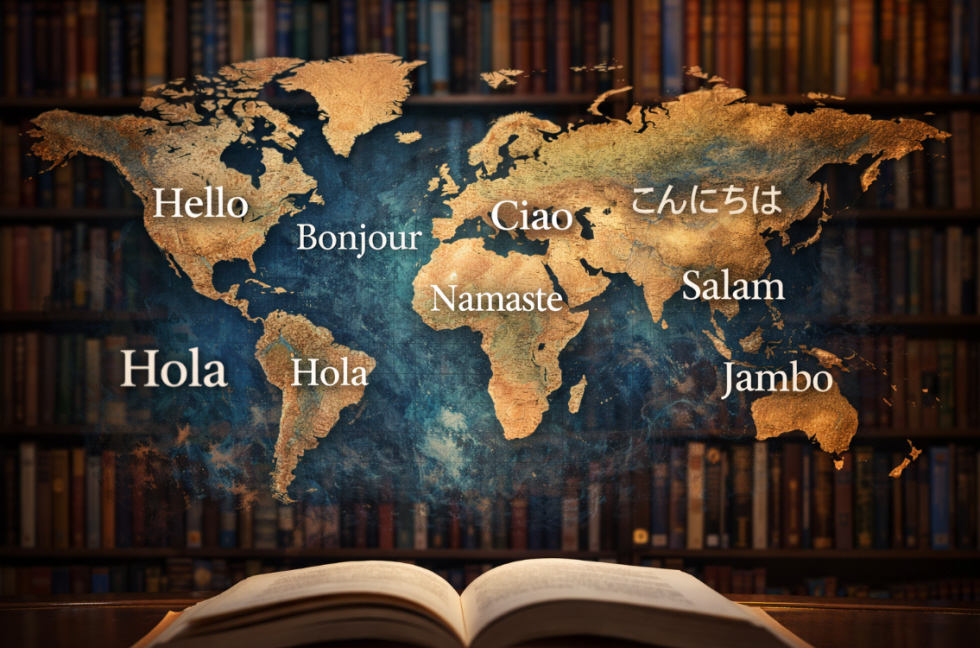
In an increasingly interconnected world, language remains one of the most powerful elements of cultural identity. While globalization has made communication between societies easier than ever, it has also raised important questions about the preservation of languages and linguistic traditions. Languages are far more than tools for communication. Each language reflects a unique way of understanding the world, shaping thought, expressing emotions and transmitting cultural knowledge.
Through language, communities pass down stories, traditions and values that define their collective identity. Throughout history, many societies have protected their languages as symbols of cultural heritage. For countless communities, language represents a living connection to ancestors and to traditions that have been preserved across generations. However, the expansion of global media, digital platforms and international education systems has strengthened the dominance of a few widely spoken languages.
This trend has generated growing concern among cultural organizations and linguistic experts about the future of many smaller languages. In response, numerous initiatives around the world are working to revive and protect languages that face the risk of disappearing. Educational programs, cultural projects and publications in local languages have become essential tools for preserving linguistic diversity. Technology, surprisingly, is also playing an important role in this effort.
Mobile applications, digital learning platforms and social networks are helping communities teach and share languages that were once limited to small geographic areas. At the same time, globalization has created societies where multiple languages coexist more frequently than ever before. Many people now use two or more languages in their daily lives, creating new forms of cultural exchange and communication.
This linguistic interaction has enriched cultural dialogue, but it also raises important questions about how societies can maintain their cultural identity while embracing global connectivity. For many cultural scholars, the challenge today is to balance global integration with the protection of linguistic diversity.
Each language carries unique perspectives, expressions and ways of interpreting reality. In a globalized world, preserving languages means preserving memory, creativity and the cultural identity of the communities that speak them.