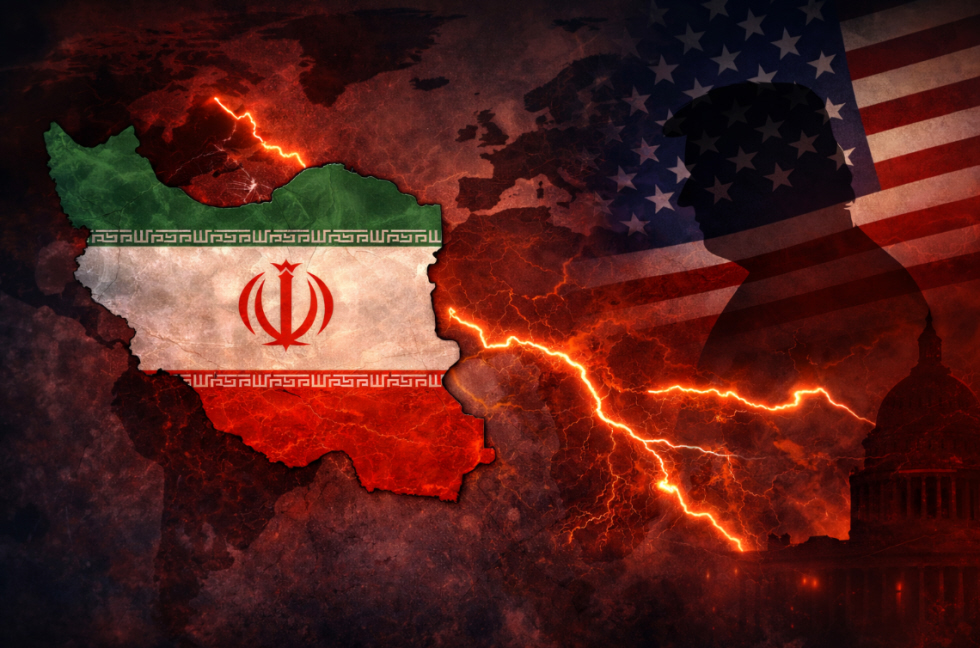
U.S. President Donald Trump has sparked international debate after suggesting that Washington should have a role in influencing Iran’s future leadership following the death of Supreme Leader Ali Khamenei. In recent remarks, the president indicated that the United States should not remain a passive observer during what he described as a decisive moment for the political future of the Islamic Republic.
Trump stated that he would like to have at least some voice in the process that will determine who becomes Iran’s next supreme leader, a position that holds significant political, religious and military authority within the Iranian system. His comments reflect the views of some policymakers in Washington who believe that the current crisis could open the door to major political changes inside Iran.
The president also drew comparisons with other situations in which the United States sought to influence political transitions following moments of national crisis. The possibility of a leadership transition in Iran has become a major subject of discussion among international analysts, who are closely watching how the country’s political structure might evolve.
Under Iran’s constitutional system, the authority to choose the next supreme leader lies with the Assembly of Experts, a powerful clerical body responsible for selecting the successor. However, the current environment of military tension and international pressure could indirectly influence the broader political landscape in which that decision takes place.
Trump’s remarks have triggered mixed reactions among diplomats and political observers, some of whom warn about the risks associated with external influence in a domestic political process. As the situation develops, the question of who will ultimately lead Iran remains one of the most significant uncertainties in the geopolitical landscape of the Middle East.