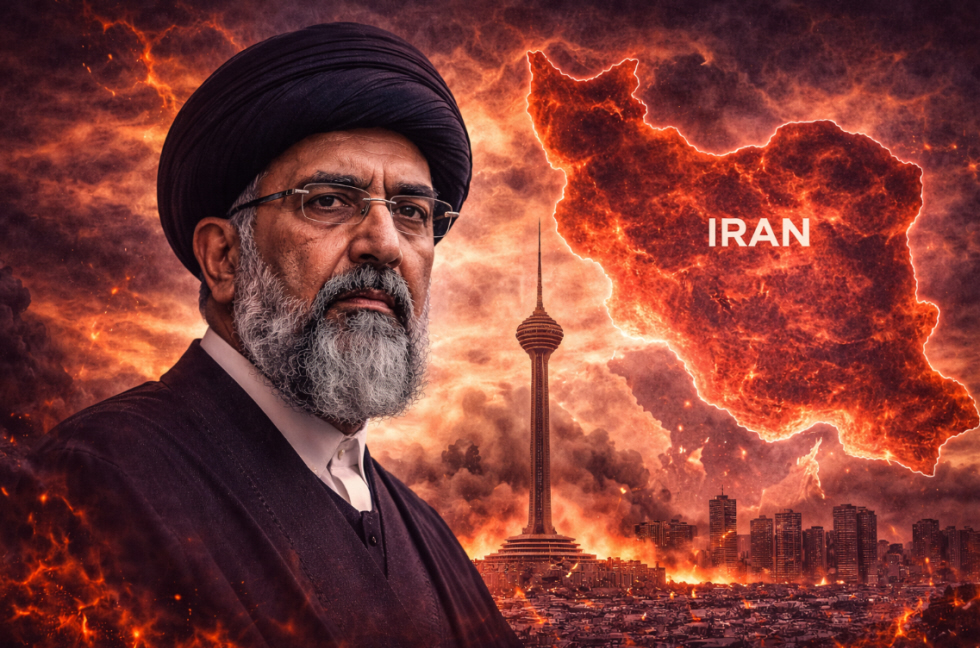
The rise of Mojtaba Khamenei to Iran’s highest leadership position marks the beginning of a new and uncertain chapter for the Islamic Republic. His appointment comes at a moment of extraordinary turmoil, with regional conflict, international pressure and internal political tension converging at the same time. Few leaders in Iran’s modern history have taken power under such tragic personal circumstances.
The opening airstrikes that launched the current war reportedly killed several members of his immediate family. Among them was his father, Ali Khamenei, who had ruled Iran for more than three decades and held ultimate authority over the country’s political and religious system. Reports also suggest that other close relatives may have died during the same attacks, adding a deeply personal dimension to the new leader’s rise.
These circumstances could strongly influence Mojtaba Khamenei’s stance toward the United States and the broader Western alliance. From Washington, U.S. President Donald Trump openly criticized the selection of Iran’s new supreme leader.
Trump described the new leader as unacceptable and suggested that Iran should eventually move toward leadership capable of bringing stability and peace. However, Iran’s Assembly of Experts appears to have delivered a clear signal of defiance by selecting precisely the candidate viewed most critically by Washington.