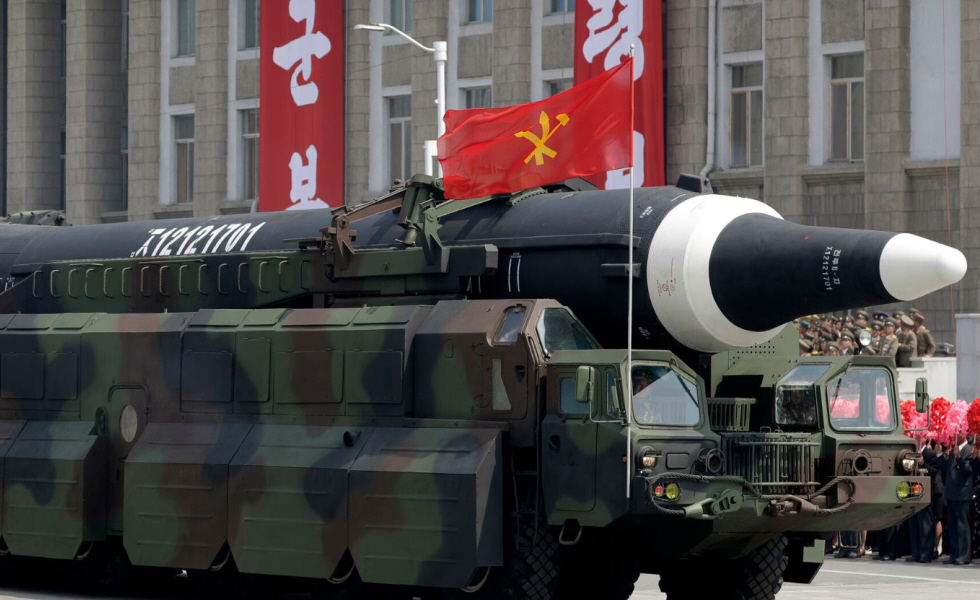
South Korean President Lee Jae-Myung issued a grave international warning, stating that North Korea is capable of producing between ten and twenty nuclear weapons per year, a figure that multiplies concerns about security on the Korean Peninsula and across the Asia-Pacific region. During a speech at the influential U.S. think tank Center for Strategic and International Studies (CSIS), Lee asserted that Pyongyang has reached a level of development that allows it not only to continue expanding its arsenal, but also to refine its launch capabilities through intercontinental ballistic missiles capable of striking U.S. territory.
According to estimates from the Stockholm International Peace Research Institute (SIPRI), North Korea is already believed to have around fifty assembled nuclear warheads and sufficient fissile material to produce at least forty more, which would raise the total potential of its arsenal to unprecedented levels for a country under international sanctions. This production capacity, Lee noted, makes Kim Jong Un’s regime an immediate and sustained threat, as it not only possesses the technology but also the infrastructure to multiply its destructive power in the coming years.
The South Korean leader was critical of the strategies followed by the international community over the past two decades. He argued that sanctions, diplomatic pressures, and failed negotiations have not stopped Pyongyang, but rather encouraged it to move forward secretly and at greater speed with its nuclear program. “We have tried to deter North Korea, but the result has been steady progress toward more weapons and more missiles,” he said with evident frustration, while calling for stronger cooperation between the United States, Japan, and South Korea to prevent an irreversible confrontation scenario.
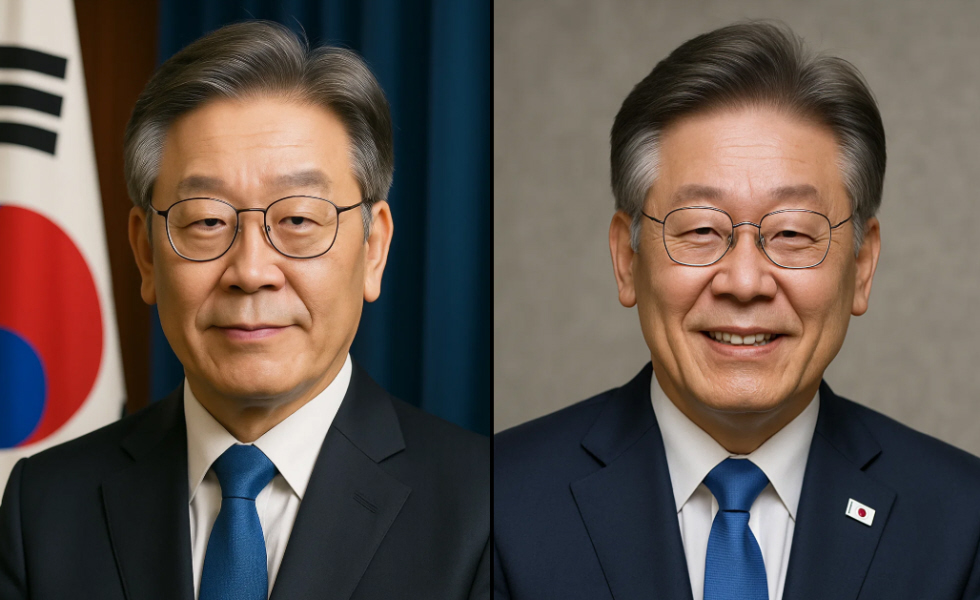
The political timing adds further tension to the picture. Former U.S. President Donald Trump, after meeting with Lee, again expressed interest in holding a meeting with Kim Jong Un, a diplomatic move that raises questions about the direction of U.S. policy toward Pyongyang. While some analysts believe a direct approach could open a window for dialogue, others fear that the mere prospect of a summit could strengthen the North Korean regime’s propaganda narrative and allow it to buy time to continue producing weapons. The current scenario presents an urgent dilemma for the international community.
On one hand, North Korea is consolidating itself as an expanding nuclear actor, with the capacity to alter strategic balances not only on the Korean Peninsula but also in the Pacific and global security. On the other, the failure of previous diplomatic initiatives forces a reconsideration of the path toward possible denuclearization, which seems increasingly distant. Seoul’s warning is clear: if the estimated production of ten to twenty warheads per year continues, in just a few years North Korea could have an arsenal comparable to that of medium nuclear powers, defying all international treaties and undermining global stability.