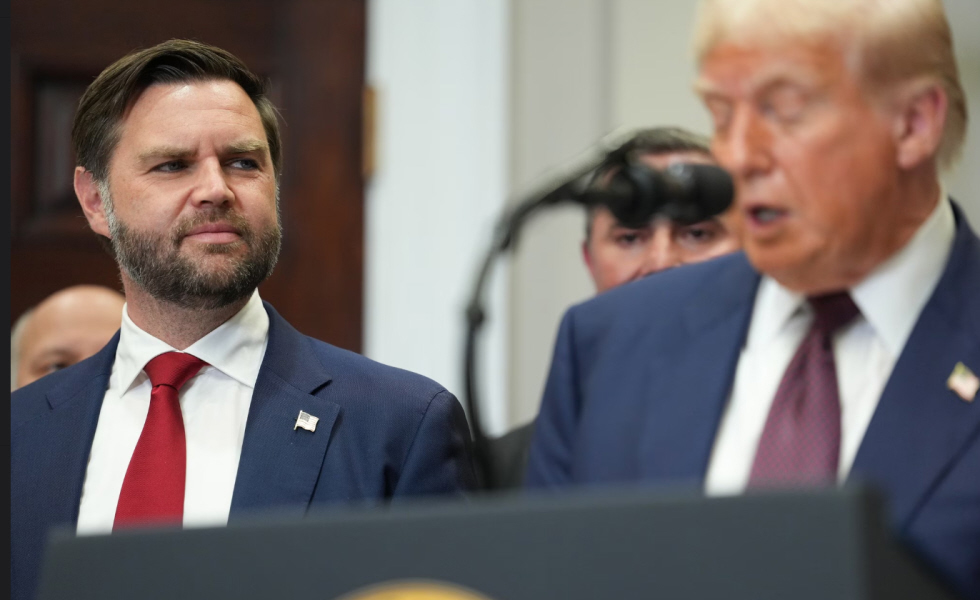
Who will succeed Donald Trump in the White House? The next U.S. presidential election is scheduled for 2028. Until now, Trump has avoided naming a possible successor—but he is now openly suggesting a candidate. U.S. President Donald Trump said he favors his current vice president, JD Vance, as his potential successor. When asked by reporters if Vance was the heir to the political movement he created, Trump responded Tuesday (local time) in Washington, “Well, I think most likely.” After all, Vance currently serves as his vice president. Marco Rubio as Vice President?
Trump also suggested that Vance and Secretary of State Marco Rubio could run together as a Republican ticket in the 2028 election. Although the next presidential election is still more than three years away, such a hint carries considerable weight coming from Trump, who holds significant influence over the Republican Party’s base. Trump Calls Vance a "Very Capable" Candidate Until now, Trump had avoided publicly endorsing a potential successor.
In February, he described Vance as “very capable” but said it was too early to declare him the leading candidate. Vance, 41, a former U.S. Marine, has earned a prominent role within the Trump administration. He is considered a key figure in diplomacy and one of the most important representatives of both Trump’s domestic and foreign policy. Rubio, the former Florida senator, has also become a central figure in the administration.
He is the first person since Henry Kissinger to serve simultaneously as Secretary of State and National Security Advisor. Third Term Constitutionally Prohibited Trump, now 79, is constitutionally barred from seeking a third term after completing his second. The U.S. Constitution limits presidents to two elected terms. However, Trump has occasionally teased the idea of pursuing a third term, which would require a constitutional amendment. Such an amendment would need a two-thirds majority in both the House and Senate, as well as approval from a majority of U.S. states.