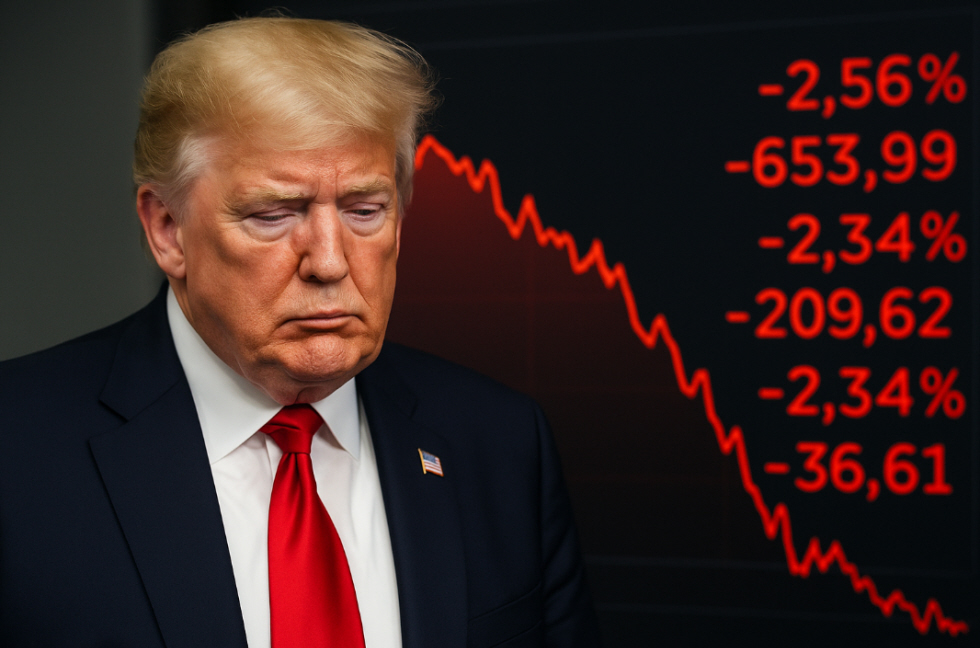
The popularity of President Donald Trump is slipping as concern over the cost of living grows. A new poll places his approval rating at 40%, with 57% disapproval — matching the lowest point of his term and reflecting growing frustration among voters who expected faster relief from persistent prices. The survey suggests fractures in key segments that once supported him: moderate independents, middle-income households, and suburban voters who value price stability over political confrontation.
It also reveals declining perceptions of economic competence and leadership — two traits that once bolstered the White House. The general sentiment is fatigue: promises of quick relief collide with higher grocery bills, rising rents, and inflated service costs. The economic front explains much of the discontent. Annual inflation hovers around 3%, and although it has eased from earlier peaks, “everyday inflation” — food, rent, fuel, and insurance — continues to squeeze household budgets and dominate kitchen-table conversations.
The Federal Reserve cut interest rates in September to support activity amid signs of weakening employment and falling consumer confidence, but the financial relief has yet to filter down to loans, mortgages, and credit cards. The labor market shows mixed signals: slower job creation, fewer working hours, and wages losing real traction. Within this context, public perception is that the government has not effectively contained the cost of living — a central campaign promise now measured through grocery carts and rent payments.
Meanwhile, the ongoing government shutdown — now the second longest in U.S. history — adds political pressure and reinforces the image of a government more focused on confrontation than solutions. The standoff over the budget package has left hundreds of thousands of federal workers facing furloughs or delayed pay, disrupting public services and contracts. A broad majority supports extending healthcare subsidies that Democrats insist on including in negotiations, aligning public opinion around continued coverage amid rising medical costs.
The result is a delicate mix: a fragile economy, political fatigue, and growing urgency for the administration to deliver tangible results — slowing prices, resolving the budget deadlock, and restoring stability — before voter sentiment hardens in the run-up to the next political milestones.