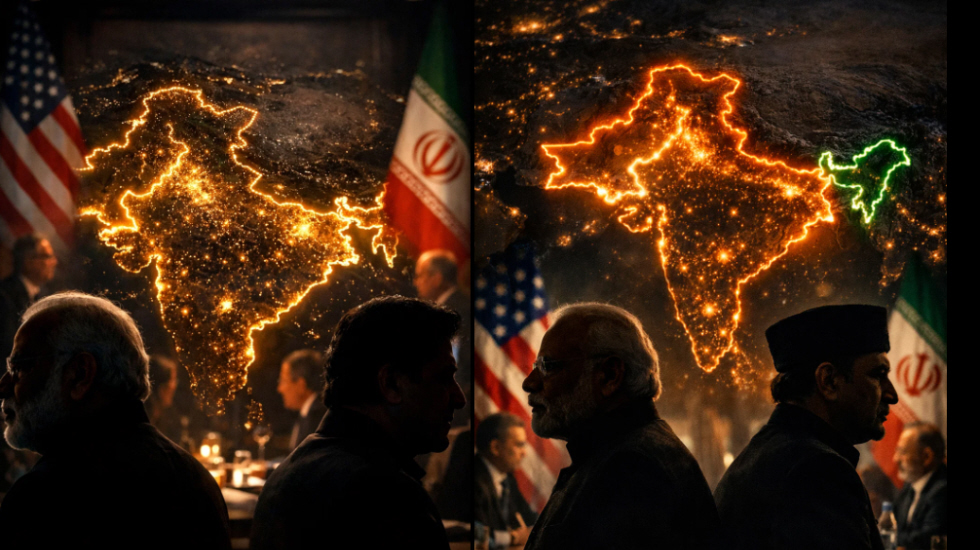
India is facing mounting domestic political pressure after opposition leaders sharply criticized Prime Minister Narendra Modi’s foreign policy, describing it as “ruined.” The criticism comes at a sensitive moment, as rival Pakistan hosts high-stakes talks between the United States and Iran. For many analysts, the situation reflects a symbolic shift in the region’s diplomatic balance. The decision to hold these negotiations in Islamabad has raised concerns in New Delhi.
India has traditionally sought to position itself as a central player in South Asian strategic affairs. However, this development suggests that other actors may be gaining ground in international diplomacy. Opposition figures argue that Modi’s government has weakened India’s global standing. They claim that a lack of clear strategy has allowed Pakistan to regain relevance on the world stage. Critics also highlight missed opportunities to strengthen key international alliances. Meanwhile, Prime Minister Modi remains focused on domestic politics, campaigning in West Bengal ahead of upcoming state elections.
Opponents argue that prioritizing internal political agendas could be undermining India’s international presence at a critical time. At the same time, the government is attempting to demonstrate diplomatic engagement through the foreign minister’s visit to the United Arab Emirates. The two-day trip focuses on energy security and economic cooperation, aiming to reinforce India’s image as a reliable strategic partner. Energy security remains a central issue in this context. India relies heavily on imported oil, making its relationships with Gulf nations crucial. As global uncertainty persists, energy diplomacy has become a top priority for the government.
The fact that US-Iran talks are taking place in Pakistan carries broader implications. It reflects Washington’s effort to diversify its diplomatic channels in the region. It may also signal a shifting alignment in Asia, where India seeks to consolidate its influence. International analysts suggest that this episode does not necessarily represent a permanent loss of relevance for India.
However, they warn that perceptions of diplomatic isolation could have long-term consequences if not addressed effectively. Domestically, the opposition is using the situation as a political tool to challenge the government’s credibility.
The West Bengal elections have thus become a battleground not only for local governance but also for debates over India’s global role. Ultimately, India finds itself at a diplomatic crossroads, needing to balance domestic priorities with international ambitions. The outcome of US-Iran talks and Pakistan’s role in facilitating them may shape regional dynamics in the months ahead.