According to the latest Corruption Perceptions Index by Transparency International, Ukraine ranks 105th out of 180 countries—an indication of ongoing challenges despite promises of reform. Now, a new corruption scandal involving inflated military drone purchases is making headlines, further tarnishing efforts to present Ukraine as a reliable partner in the West’s support against Russian aggression.
Ukrainian investigators are currently looking into allegations that officials, including members of President Volodymyr Zelensky’s own party, accepted bribes in connection with overpriced drone contracts. Among those arrested is Member of Parliament Oleksiy Kuznetsov, who belongs to Zelensky’s Servant of the People party. Following his arrest, the party announced that his faction membership has been suspended pending the investigation.
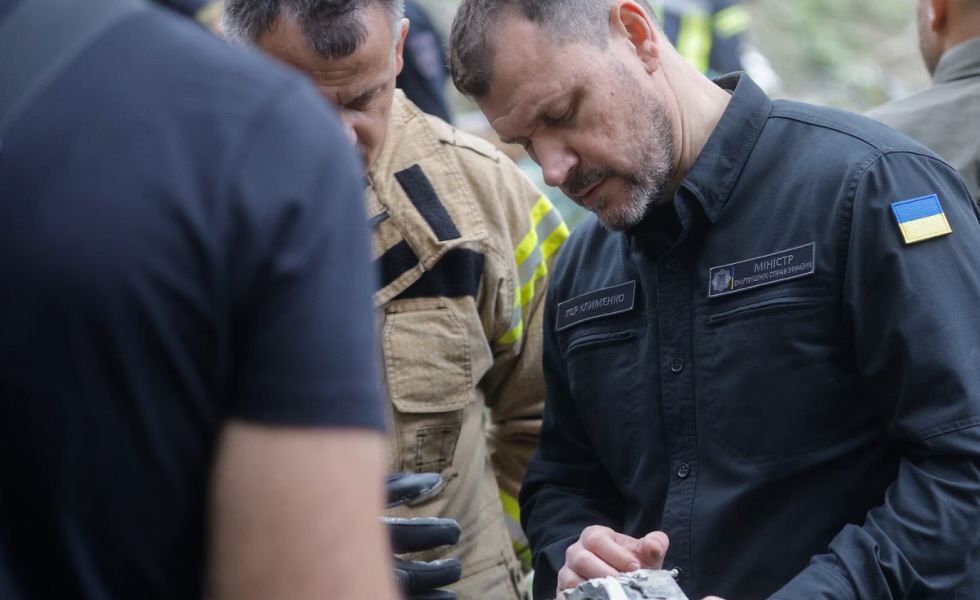
Bribes and Inflated Contracts The accusations extend beyond parliament, reaching into the public administration at the municipal level and the National Guard. Ukraine’s Interior Minister, Ihor Klymenko, confirmed that several uniformed officers have also been suspended. Investigators allege that those involved signed contracts for military drone purchases at deliberately inflated prices, then collected kickbacks—reportedly up to 30% of the total value. Bundles of Cash and No Final Damage Estimate Anti-corruption officials released photos showing bundles of seized cash believed to be linked to the bribes.
So far, no official estimate has been released regarding the total financial damage to the state budget. This case adds to a series of corruption scandals tied to Ukraine’s defense sector—an industry that has grown rapidly amid the ongoing war with Russia, now entering its third year. Zelensky’s Response and EU Pressure President Zelensky has been briefed on the latest developments and responded on his Telegram channel:
“There can only be zero tolerance for corruption. We must work as one to expose bribery and ensure fair sentencing.” He also emphasized the importance of allowing anti-corruption institutions to operate independently. “A new law passed on Thursday now enables this,” he said. However, the legislation in question was not initiated voluntarily by the government. The move came in response to widespread protests across various Ukrainian cities and intense pressure from the European Union.
Critics had condemned the original draft proposed by Zelensky, which would have placed two key anti-corruption bodies—NABU (National Anti-Corruption Bureau of Ukraine) and SAPO (Specialized Anti-Corruption Prosecutor's Office)—under the direct control of the Prosecutor General. That plan was seen as a step backwards and sparked fears of compromised investigations. Public backlash and EU demands eventually forced the administration to abandon the idea, leading to the current version of the law that safeguards the independence of anti-corruption efforts. Ukraine’s path to EU membership continues to be closely tied to its ability to reform and tackle systemic corruption—an expectation Brussels is monitoring carefully.