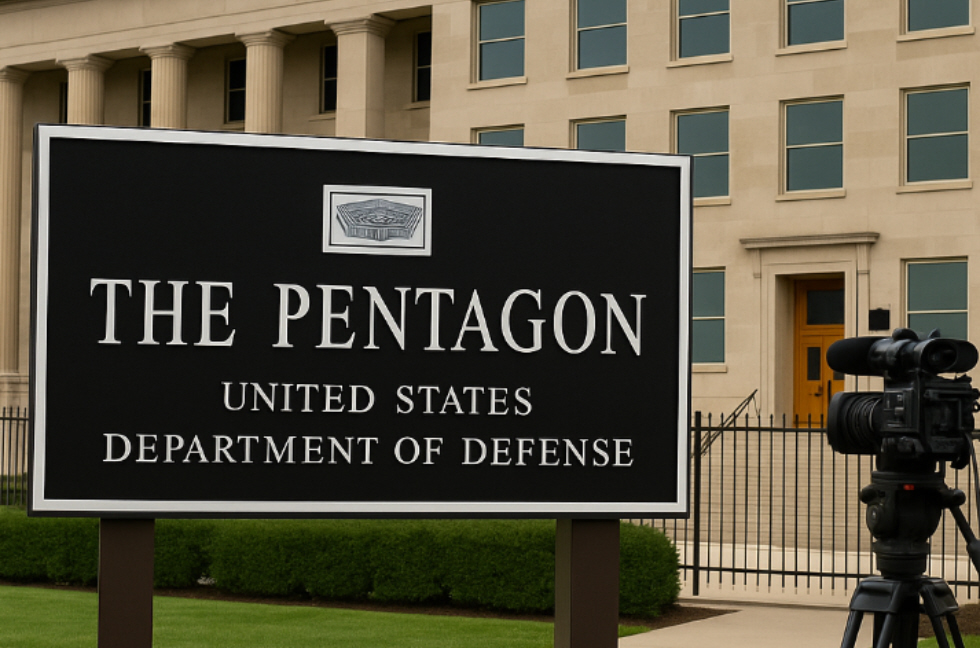
The U.S. Department of Defense has introduced new restrictions that directly impact journalistic work. According to guidelines announced on Friday, media outlets will no longer be allowed to publish information that has not been officially authorized in advance. A notice distributed to reporters states that press representatives must commit, through a sworn declaration, to abide by the new regulations. Failure to comply could result in the revocation of press accreditation.
The statement insists that the Pentagon remains “committed to transparency in order to promote accountability and public trust.” However, it clarifies that all information must be approved by a competent official before publication, even if it is not classified. In practice, this measure effectively eliminates the possibility of publishing leaks or statements from unnamed officials outside official communication channels.
The restriction applies not only to classified material but also to so-called “controlled unclassified information.” The letter sent to the press also details new, far-reaching limitations on reporters’ movements within Pentagon facilities, which they can no longer access freely without official escort. Defense Secretary Pete Hegseth defended the new rules in a post on X: “The press can no longer roam around secure facilities without restrictions. Carry an ID, follow the rules, or go home.” The measures sparked strong criticism. The National Press Club, based in Washington, denounced the guidelines as “a direct attack on independent journalism in the very area where independent oversight is most important: the U.S. military.”
The association called on the Department of Defense to immediately withdraw the provisions. Similarly, The New York Times —which was sued just days ago by President Donald Trump for alleged defamation in a $15 billion lawsuit— warned that the new restrictions “directly violate the constitutional rights of a free press in a democracy” and represent “another attempt to restrict the people’s right to understand what their government is doing.” Since returning to the White House, Trump has intensified his crackdown on the media, accusing outlets of spreading lies and disinformation about him and his administration.
According to Reporters Without Borders (RSF), the situation for journalists in the United States has significantly worsened since the September 10 assassination of far-right activist Charlie Kirk. “We have witnessed a true escalation in attacks against the press.. The recent cancellation of comedian Jimmy Kimmel’s program, following his comments about the assassination attempt on Kirk, triggered widespread outrage. Months earlier, CBS had already announced the end of Stephen Colbert’s Late Show, another satirist widely known for his criticism of Trump. These developments, combined with the Pentagon’s new restrictions, reflect an increasingly adverse landscape for press freedom in the United States.