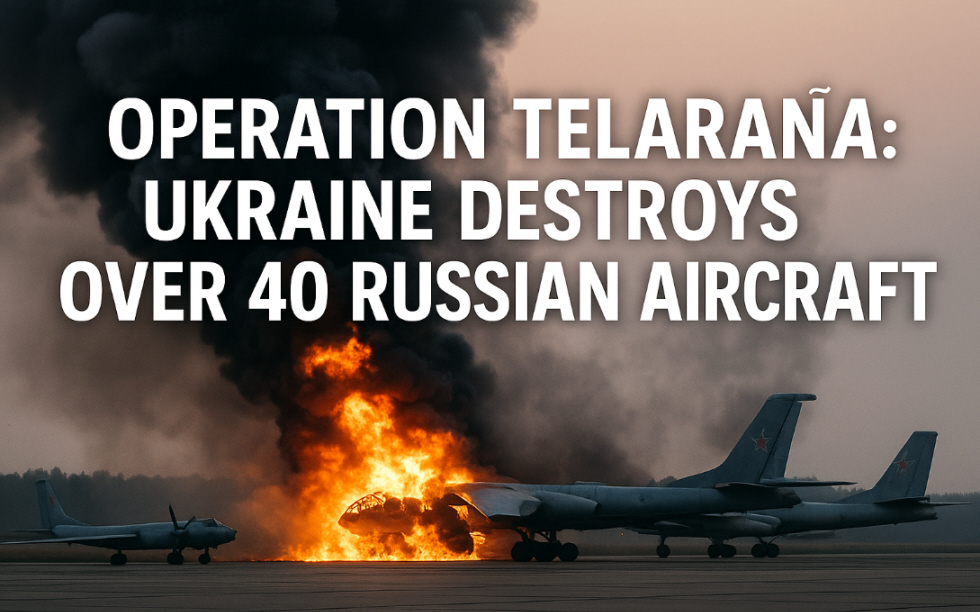
In an action that marks a new turn in the conflict between Ukraine and Russia, Ukrainian forces carried out what many analysts are already calling the most audacious and effective drone operation of the entire war. Dubbed "Operation Spider Web," the offensive took place in the early hours of June 1, 2025, and targeted five strategic air bases located in the heart of Russian territory. A surgical strike against Russian air power The bases attacked were located in Irkutsk, Murmansk, Ivanovo, Ryazan, and Amur, key regions for the Kremlin's long-range air logistics. The attacks primarily focused on destroying high-value strategic aircraft, such as: Tupolev Tu-95 and Tu-22M3 bombers, used to launch cruise missiles over Ukraine.
A-50 early warning aircraft, known as Russia's "flying eyes." According to sources from the Security Service of Ukraine (SBU), more than 40 aircraft were completely destroyed or rendered inoperable, representing one of the biggest setbacks for Russian military aviation since the start of the invasion. Technology, Stealth, and Artificial Intelligence What surprised both experts and international observers was the sophistication of the attack. Ukraine used 117 small FPV (First Person View) drones, loaded with explosives and equipped with AI (artificial intelligence) capable of visually recognizing specific targets.
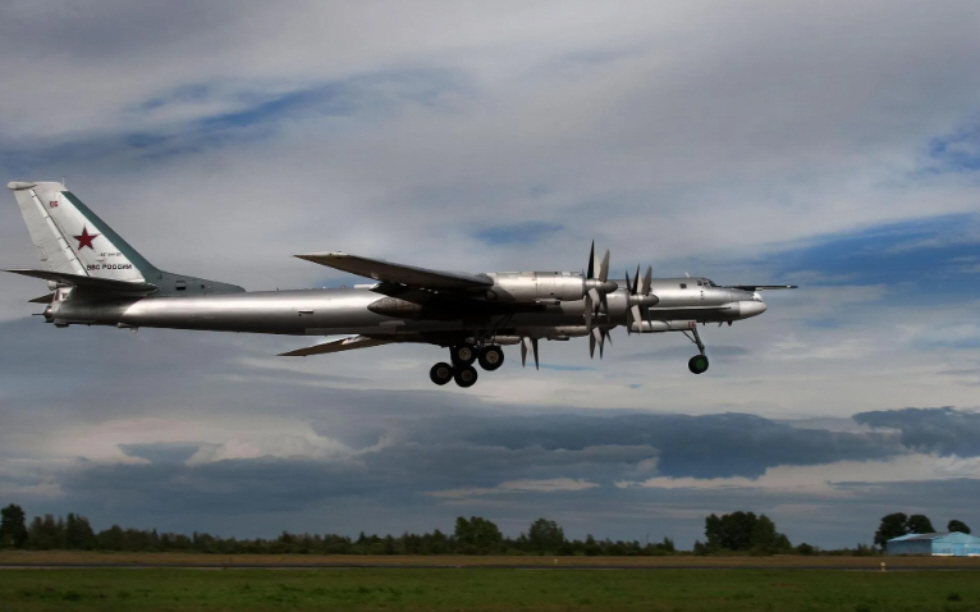
These drones were smuggled into Russian territory weeks prior to the operation and launched from camouflaged trucks with retractable roofs, imitating the appearance of simple cargo vehicles. Each drone had a specific mission programmed and was coordinated in real time by Ukrainian operators located on the border and within Russian territory itself, ensuring extremely high precision without exposing troops. A plan cooked up over 18 months According to SBU chief Vasyl Maliuk, the operation was planned for more than a year and a half and was personally approved by President Volodymyr Zelensky.
Logistics, satellite analysis, camouflage, and drone programming were all carefully considered, under strict secrecy. "It was like a cobweb thrown into the heart of the monster," an SBU officer anonymously told international media. Economic and symbolic blow In addition to the military impact, the attack dealt a significant economic blow. Losses in destroyed aircraft and equipment are estimated to exceed $7 billion. But beyond the financial impact, the moral and strategic blow is even more significant: for the first time, Ukraine demonstrated that it can carry out high-precision operations in areas far removed from the combat front, and do so with technological and tactical autonomy.
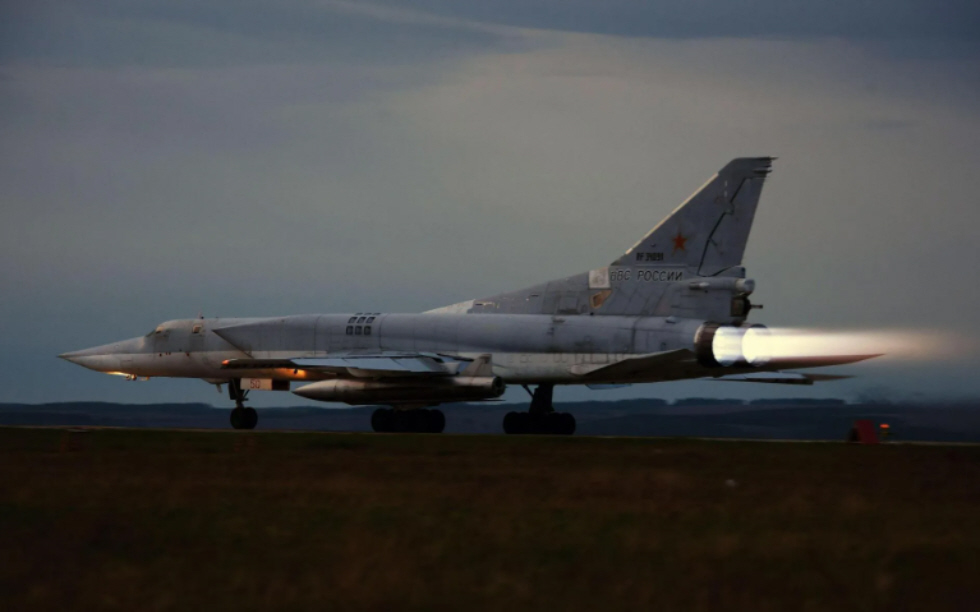
Russian Reaction and Arrests The Russian Ministry of Defense admitted the attacks, although it downplayed the damage, claiming that several drones were intercepted. However, independent Russian media leaked satellite images showing burning hangars and wreckage of destroyed aircraft. Furthermore, the Kremlin announced the arrest of alleged internal collaborators and called the operation an "international terrorist act."
What now? The attack occurred just 24 hours before a new round of peace negotiations between Ukraine and Russia, scheduled to be held in Istanbul on June 2. Some analysts interpret this attack as a way to strengthen Ukraine's position at the negotiating table, demonstrating that it still has offensive capability despite the wear and tear of the war. Zelensky confirmed his participation in the talks, although he made it clear that he will not accept any agreement that involves ceding sovereignty or compromising his nation's security.