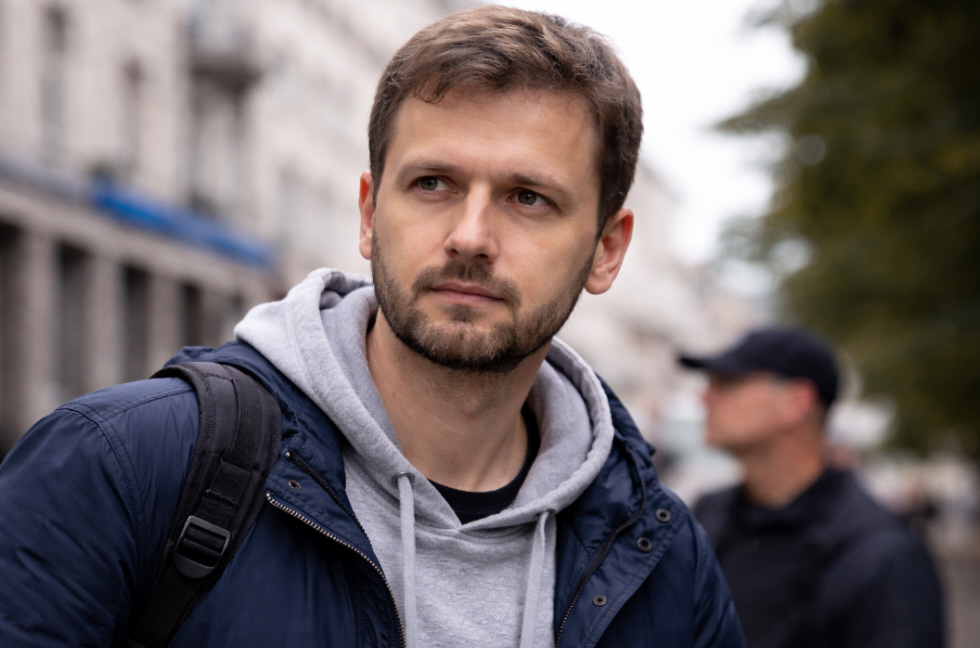
The Kremlin has revoked the citizenship of investigative journalist Roman Anin, a move that further intensifies pressure on independent journalism in Russia. Anin, founder and editor of the investigative outlet Vazhniye Istorii (“Important Stories”), is known for reporting on corruption and power structures in Russia, including investigations touching on the private life of President Vladimir Putin and his inner circle. Born in 1986 in what was then the Moldavian Soviet Socialist Republic,
Anin obtained Russian citizenship in 2006 and built most of his journalistic career inside the country before being forced into exile. His media outlet was designated a “foreign agent” in 2021 and added to the list of undesirable organizations a year later, prompting the editorial team to relocate operations to Latvia in order to continue publishing. In March 2025, Anin and a colleague were sentenced in absentia to eight and a half years in prison each for “knowingly spreading false information about the Russian armed forces.”
Under current Russian law, any reporting on the war in Ukraine that contradicts the official Kremlin narrative can be treated as a criminal offense, a framework that has been widely criticized for restricting press freedom. Russia’s Interior Ministry cited the alleged discrediting of the armed forces as the formal reason for stripping Anin of his citizenship. The decision was carried out by the country’s immigration authorities and represents one of the harshest penalties imposed on a critical journalist in recent years, severing not only civil rights but also legal ties to the Russian state.
The move adds to a broader pattern of measures aimed at silencing independent voices and limiting access to alternative information inside Russia. For analysts and media observers, Roman Anin’s case underscores the tightening state control over journalism and the use of extreme legal tools to deter investigations that challenge official narratives, particularly amid the ongoing war in Ukraine.