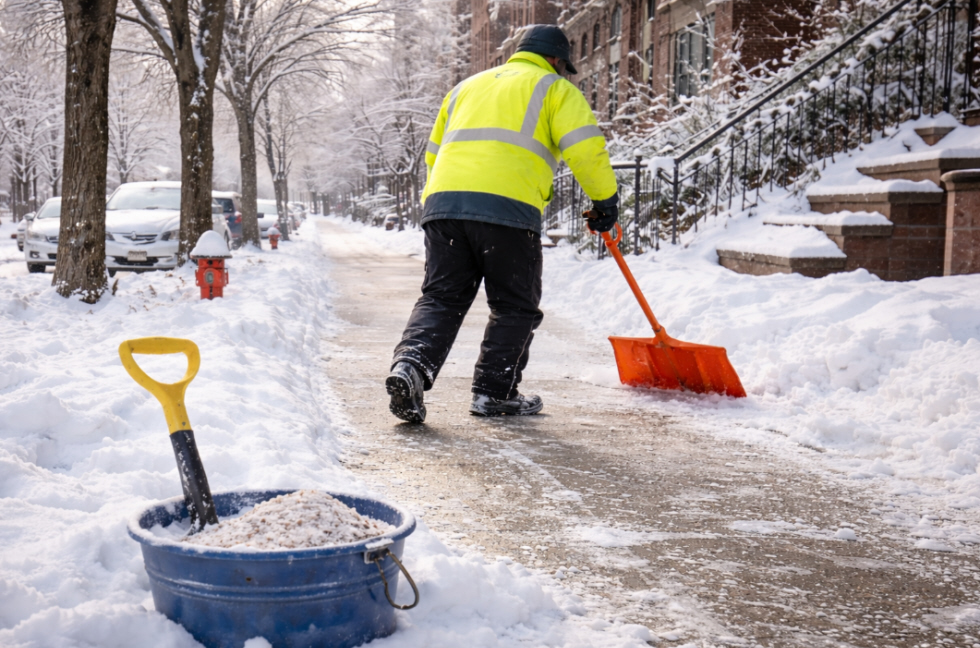
After the storm: what residents must know about clearing snow and iceAfter the storm: what residents must know about clearing snow and ice With the worst of the winter storm now behind the tri-state area, attention has shifted to a critical post-storm responsibility: clearing snow and ice from sidewalks. While the snowfall may have ended, the risk for pedestrians remains high if walkways are not promptly and properly cleared. City regulations across the region require property owners and occupants to remove snow and ice within specific timeframes, which depend on when the storm ends.
In New York City, for example, if snowfall stops in the evening, sidewalks must be cleared or treated with salt or sand by the following morning, ensuring safe pedestrian access. The rules are not optional. Sidewalks must be cleared to create a passable path of at least four feet wide, or, if removal is not immediately possible, treated with salt or sand to improve traction and reduce the risk of slips and falls. Authorities stress that temporary treatment does not replace the obligation to fully clear the sidewalk once conditions allow. Municipal codes also prohibit pushing or throwing snow into the street.
Doing so can create hazards for vehicles, block drainage systems, and interfere with snow removal operations. Property owners are expected to keep all cleared snow on their own property. Beyond sidewalks, residents are required to clear fire hydrants, curb cuts, and accessibility ramps, ensuring emergency services and people with mobility needs can move safely through affected areas. These elements are often overlooked but are explicitly included in city snow regulations.
Failure to comply can result in fines of up to $250, depending on the municipality. In some areas, repeated violations or prolonged neglect may lead to additional penalties or city-issued cleanup at the owner’s expense. Local officials emphasize that these rules are in place not to punish residents, but to prevent injuries during the days following a storm, when melting snow refreezes into dangerous ice patches.
Slips and falls remain one of the most common winter-related injuries in urban areas. As temperatures fluctuate in the coming days, authorities urge residents to remain vigilant. Clearing snow promptly, using salt responsibly, and following local guidelines can significantly reduce risks and help communities return to normal after severe winter weather.