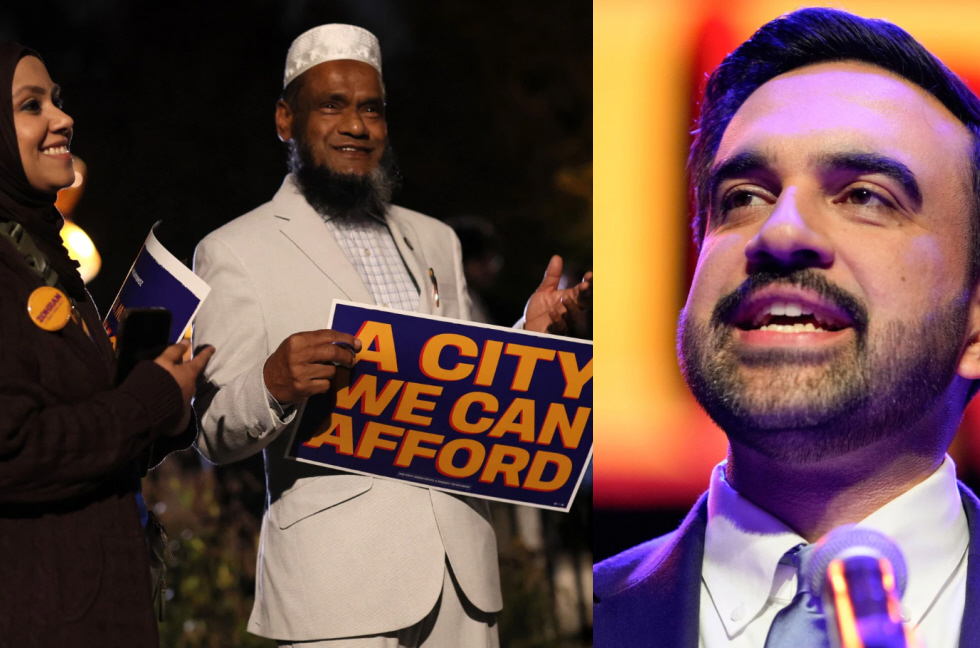
Zohran Mamdani, 34, emerged as the winner in New York’s local elections, triggering strong reactions both inside the United States and abroad. Critics — including Israel’s Minister for Diaspora Affairs, Amichai Chikli — labeled him a “supporter of Hamas” and warned of a “critical turning point” for New York’s Jewish community. Right-leaning voices also branded Mamdani an “extremist” for his pro-Palestinian stance and for using the word “genocide” when criticizing Israel’s war in Gaza.
Why it matters.
Mamdani’s progressive profile and outspoken position on Gaza place New York at the center of a global debate: freedom of expression during wartime, interfaith coexistence, community safety, and the line between political criticism and hate speech. His opponents say his rhetoric threatens social cohesion, while Mamdani insists he will combat antisemitism as mayor and focus on core local issues such as affordability, transportation, and housing.
What’s next.
Attention will now turn to his first steps in office, his engagement with Jewish, Arab, and Muslim communities, and the city’s response to any hate-related incidents. Rumors pushed by partisan circles — including questions about his immigration status, calls for deportation, and claims of election manipulation — have not been backed by public evidence. The political climate will hinge on concrete actions and Mamdani’s ability to govern pragmatically amid external pressure.