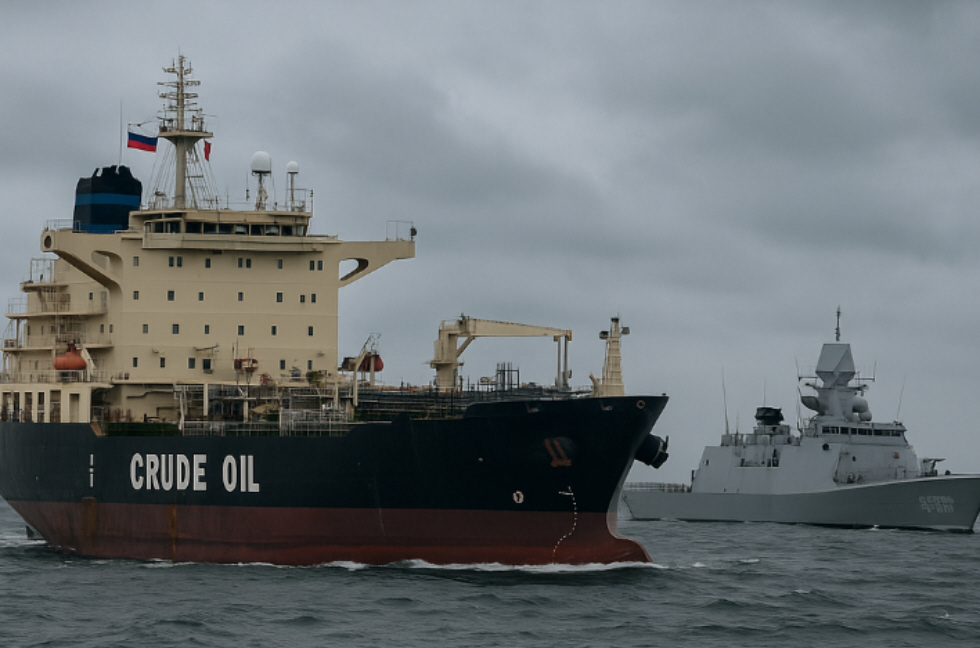
Kyiv, October 10, 2025 — The so-called “shadow fleet”—a covert network of vessels that allows Russia to bypass international sanctions—has become a growing concern for European security agencies. According to Ukrainian intelligence, the fleet is no longer limited to smuggling oil or military supplies; it is now being used for sabotage, espionage, and destabilization operations across Europe. In his nightly video address on Tuesday, Ukrainian President Volodymyr Zelensky called on Western allies to take “concrete steps” against Russia’s use of the fleet, warning that it poses a direct threat beyond the battlefield.
“The Russians must know that none of their destructive actions will go unanswered,” Zelensky said. Following a briefing with Oleh Ivashchenko, the head of Ukraine’s Foreign Intelligence Service, Zelensky revealed that the shadow fleet is being deployed to carry out operations “aimed at sabotage and destabilization in Europe.” Ivashchenko noted that certain vessels, including oil tankers, have reportedly been modified to launch drones or electronic interference devices capable of disrupting critical infrastructure. French Navy Seizes Russian
Tanker “Boracay” Concerns intensified last weekend when the French Navy intercepted the Russian-flagged oil tanker Boracay off the coast of Île d’Ouessant, near Brittany. The ship was detained over “irregularities concerning its flag and documentation,” which raised suspicions of its connection to Russia’s shadow fleet. The vessel’s captain and first officer were arrested on charges of failing to prove the ship’s nationality and allegedly ignoring official instructions during a maritime inspection. Although some accusations have since been dropped, the captain is set to appear before a French court on February 23, 2026, for disobeying French maritime authorities.
The Boracay was released last Friday but remains under international surveillance. Possible Links to Drone Incidents in Northern Europe According to Danish and French media reports, the Boracay was sailing through Danish waters shortly before a series of mysterious drone incidents disrupted several airports in Denmark last week. While the attacks caused no casualties, they forced temporary airspace closures and raised serious questions about their origin. European intelligence sources have not ruled out Russian involvement, suggesting that the drones may have been launched or coordinated from ships operating in international waters.
Several vessels linked to Russian companies have been detected in those same maritime zones. The Kremlin has denied all accusations, calling them “groundless and politically motivated,” but analysts believe the pattern fits Russia’s strategy of using hybrid tactics to project influence and create confusion across Europe. A Network Built to Evade Sanctions The so-called shadow fleet has become a critical pillar of Russia’s wartime logistics.
It consists of an estimated 400 tankers and cargo vessels operating under fake flags, shell companies, and obscure ownership structures designed to evade Western restrictions. These ships continue to transport oil, weapons, and dual-use technology despite sanctions imposed after the 2022 invasion of Ukraine. “The shadow fleet is not just about economics—it’s about intelligence and power projection,” said Danish defense analyst Mikkel Jørgensen.
“By disguising its ships, Russia gains both financial lifelines and covert tools for surveillance, interference, and sabotage.” Growing Calls for Action In Kyiv and across European capitals, calls are mounting for a coordinated maritime response. Zelensky urged NATO and the European Union to strengthen monitoring of suspicious vessels, impose stricter port bans, and enhance maritime surveillance using drones and satellites.
For Ukraine, the issue goes beyond sanctions enforcement—it’s about defending Europe from a silent, floating threat. As Zelensky concluded, “The war is no longer confined to our land. It’s moving across borders, through the sea, and into the very heart of Europe’s security.”