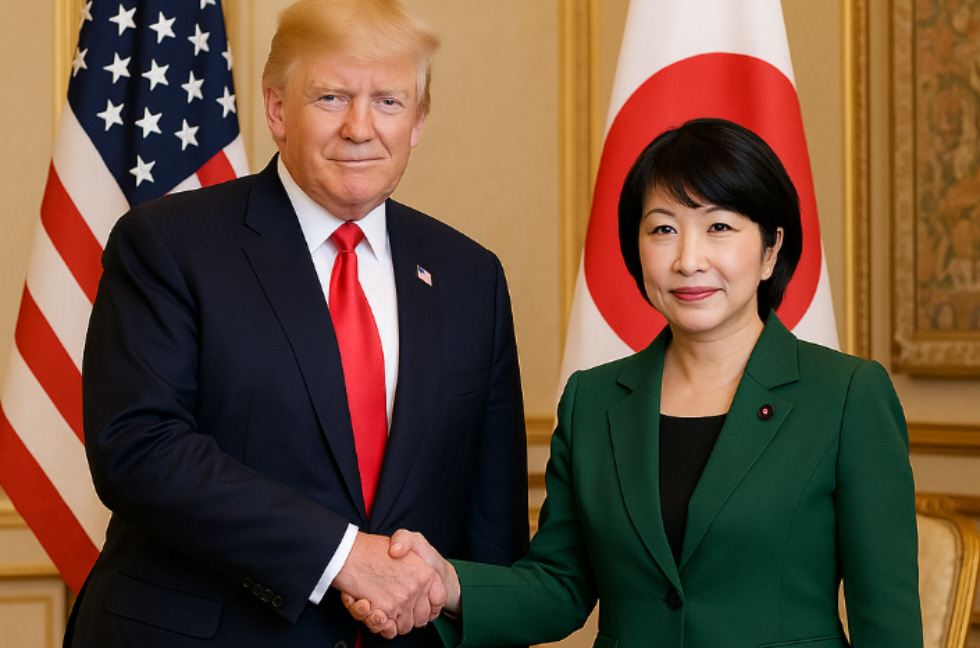
The United States and Japan have inaugurated what both describe as a “new golden age of alliances,” signing a historic agreement focused on rare earth elements and critical minerals. The deal aims to secure a stable supply of resources essential for technological and energy production, following China’s recent decision to tighten export controls on these strategic materials.
The new Chinese regulations, which require additional permits for machinery and processed goods, have complicated global access to elements vital for batteries, electric vehicles, and wind turbines. The agreement, concluded after a meeting between U.S. President Donald Trump and Japan’s new Prime Minister Sanae Takaichi in Tokyo, seeks to strengthen the resilience and security of both nations’ supply chains.
The White House said the two countries will identify joint projects to reduce dependency on foreign sources, mobilizing both public and private investment. According to insider reports, Takaichi also offered a massive $550 billion investment package that includes shipbuilding, energy, and agricultural purchases — a gesture meant to underscore Japan’s long-term economic confidence in its ally.
The alliance reinforces the strategic positioning of both nations amid growing industrial competition with China. During the talks, Takaichi expressed her intent to nominate Trump for the Nobel Peace Prize, praising his diplomatic initiatives and efforts toward global stability. Trump, in turn, described Japan as a “crucial and trusted ally.” The U.S. president is now set to continue his Asia tour with a meeting with Chinese leader Xi Jinping, a long-awaited encounter that could open the door to easing trade tensions between Washington and Beijing.