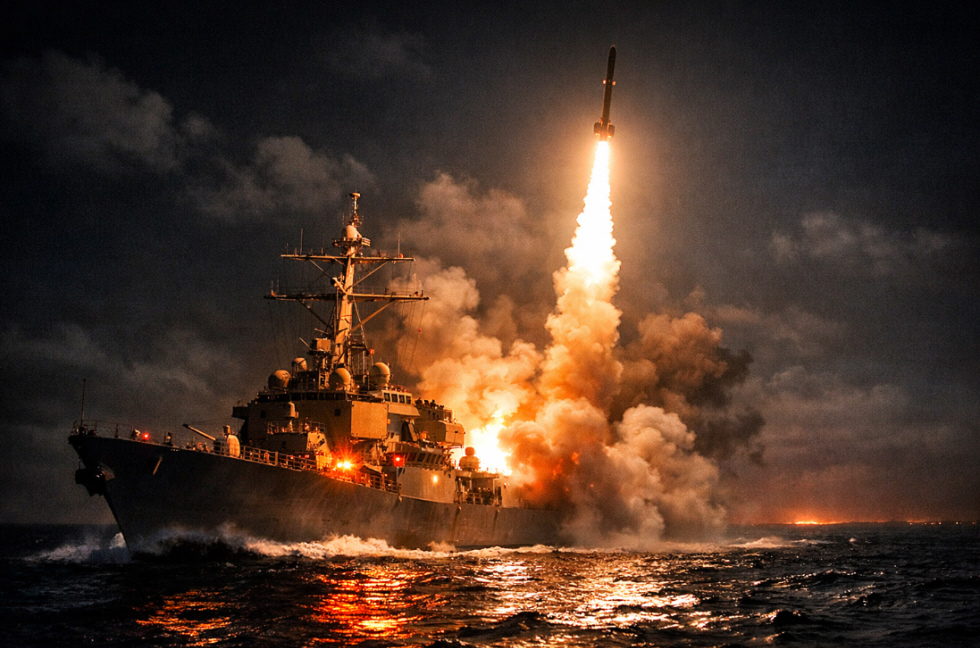
The intensive use of long-range missiles by the United States in recent weeks is beginning to raise concern within strategic circles. The frequency of strikes has increased the consumption of critical military resources. This sustained pace is prompting questions about the ability to maintain the same level of operations over time. Logistics is becoming a decisive factor. In particular, Tomahawk cruise missiles have been used consistently as a central tool in various military operations.
Their precision and long-range capabilities make them a key component of U.S. strategy. However, the recent volume of use has triggered internal alerts. Availability is starting to become a sensitive issue. Sources close to defense discussions suggest that current stock levels in certain regions may be declining significantly. While this does not indicate an immediate shortage, it reflects a trend that requires attention. Military planning depends on maintaining strategic reserves.
Inventory management is becoming critical. Internal discussions are now focused on how to replenish these weapons systems in a context where annual production is limited. The manufacturing process for such advanced missiles is neither rapid nor easily scalable. This creates a structural challenge within the defense supply chain. Replenishment requires time and careful planning. From a strategic standpoint, the availability of these weapons directly affects response capabilities in emerging scenarios.
Maintaining a balance between operational use and strategic reserves is essential. Accelerated consumption could force adjustments in military planning. Long-term considerations are becoming increasingly important. The secrecy surrounding exact inventory figures adds another layer of uncertainty. Authorities rarely disclose details about their military stockpiles for security reasons.
However, this lack of transparency fuels speculation at the international level. Much of the analysis relies on indirect signals. At the same time, the situation highlights the importance of the defense industry and its capacity to respond. The limited production of these systems reflects the technological and logistical complexity involved.
Increasing production is not an immediate solution. It is a process that requires investment and time. Meanwhile, the global landscape continues to evolve with multiple points of tension. Efficient management of military resources will be key to sustaining any long-term strategy. The United States faces the challenge of balancing immediate action with future planning. In this context, every decision carries significant strategic weight.