According to U.S. Treasury Secretary Scott Bessent, the United States has recently collected nearly $100 billion USD (approximately €85.4 billion) in tariffs. “We’re getting close to the $100 billion mark. I believe we could reach $300 billion per year,” Bessent said during an interview with Fox Business Network, when asked about the scale of customs revenue collected so far.
While Bessent did not specify the exact time frame to which the $100 billion figure refers, he emphasized that customs revenue rose in June, though he refrained from sharing a precise number. This surge in tariff collection reflects a broader economic and political strategy that aims to reduce trade imbalances and encourage domestic manufacturing. A Shift Toward More Aggressive Tariff Policies The increase in customs revenue aligns with the return of aggressive tariff measures under President Donald Trump’s administration.
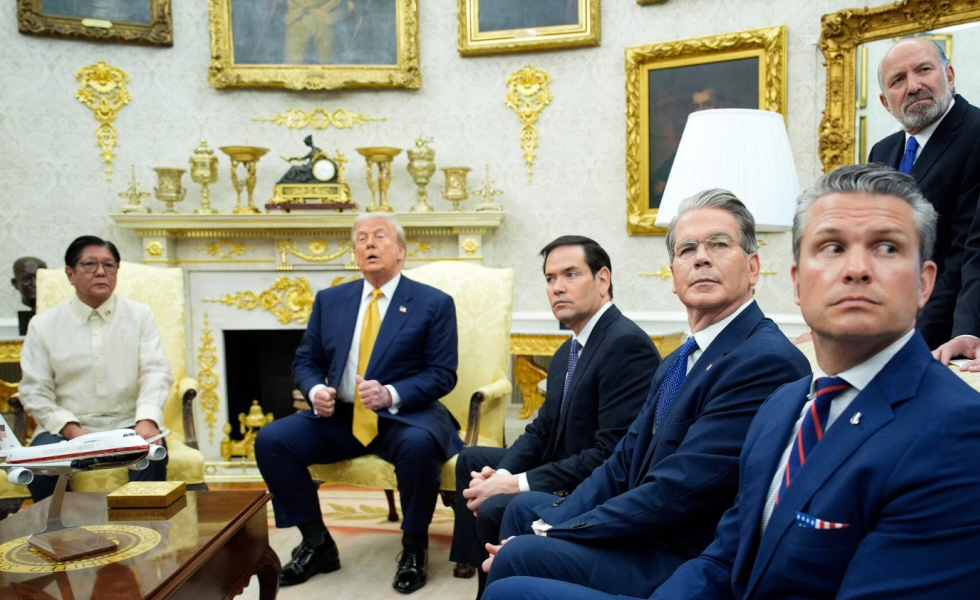
Trump has reintroduced tariffs on several countries, and on Tuesday, he announced a 19% tariff on products imported from the Philippines. This move marks another step in the administration’s effort to restructure global trade dynamics, favoring American industries and reducing dependency on foreign goods.
However, critics argue that such tariffs may lead to retaliatory measures, higher consumer prices, and strained diplomatic relations, particularly with trade allies. Analysts also note that while tariffs can temporarily boost government revenue, they may impact long-term economic growth if not balanced with broader trade and investment policies.
As discussions continue over tariff strategies, the U.S. government appears poised to use customs revenue as a tool not only for fiscal strength but also for shaping global trade in line with its current political agenda.