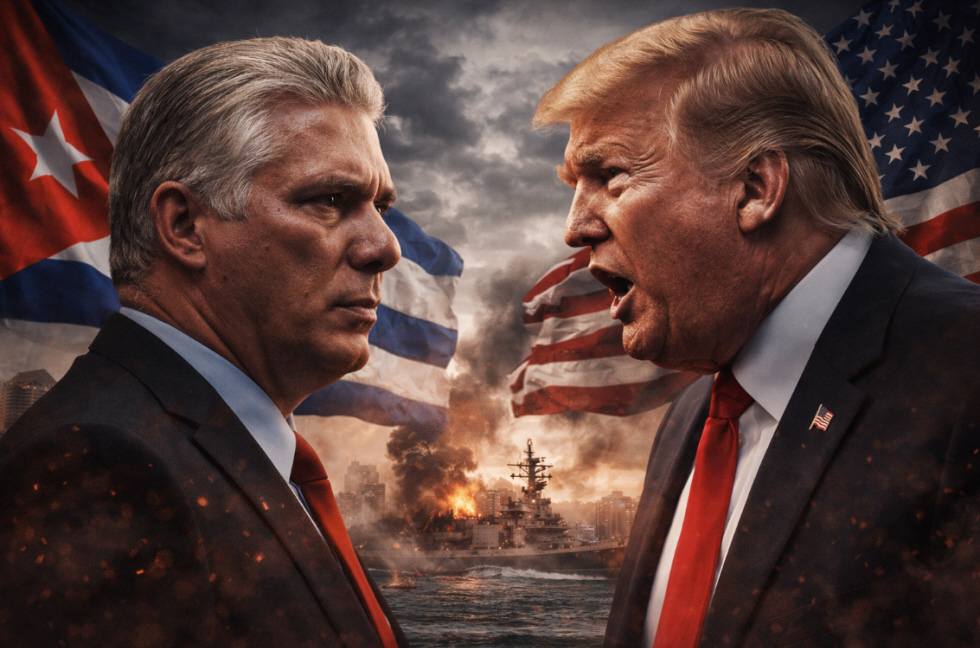
Diplomatic tensions between the United States and Cuba are rising again following controversial remarks that have sparked strong reactions across the region. While there had been talk of a possible agreement in the foreseeable future, recent comments by U.S. President Donald Trump suggesting a potential “takeover” of the Caribbean island have triggered outrage in Havana.
The statement, widely interpreted as a direct threat to Cuba’s sovereignty, was swiftly rejected by the country’s leadership. Cuban President Miguel Díaz-Canel responded firmly, making it clear that Cuba will not accept any form of external intervention. In a strong message, Díaz-Canel emphasized that even in the worst-case scenario, any external aggressor would face insurmountable resistance from the Cuban people. His remarks underscore a defensive national stance against what is seen as a provocative narrative.
The exchange has reignited long-standing historical tensions between the two countries, shaped by decades of political, economic, and strategic confrontation. Bilateral relations, which have experienced periods of fluctuation, are once again entering a sensitive phase. Analysts warn that this type of rhetoric could have broader implications for regional stability, particularly at a time when global tensions are already high. Language suggesting “control” or “intervention” raises concern not only in Cuba but also across
Latin America, where governments remain cautious about any sign of external interference. Within the island, the statements have reinforced calls for national unity, strengthening the narrative of sovereignty and resistance in the face of perceived external pressure.
At the international level, there are growing calls for restraint and dialogue to prevent unnecessary escalation that could destabilize the region further. The episode also highlights the fragility of any recent diplomatic progress that had been hinted at, casting doubt on the possibility of near-term rapprochement. For now, the situation remains at the level of rhetoric, but the tone suggests a hardening of positions on both sides.